

Financial abuse is a less commonly understood or spoken about form of abuse
In most times when we talk about domestic violence, we tend to focus on physical, sexual, and emotional abuse. Rarely does financial abuse come to mind. But why? Because financial abuse is a less commonly understood or spoken about form of abuse. Sadly, this abuse or control of one’s access to family finances and assets is prevalent and has devastating consequences. It rarely happens in isolation as perpetrators use other abusive methods to threaten and buttress the finance abuse. Research observes that it occurs in up to 99 percent of domestic violence cases.
Financial abuse, like emotional, physical, and sexual abuse, involves tactics to intentionally manipulate, control, intimidate, and threaten the victim to tie them in the relationship. It can happen to anyone of any age, race, ethnic group, socio-economic, educational status.
This abuse is one of the most powerful tactics of keeping a survivor trapped in an abusive relationship and severely weakens their ability to stay safe and financially stable after leaving the relationship.
So, why is it less spoken about?
Financial abuse is not easily noticeable at first. It is often silent and invisible. Like all the other forms of abuse it often begins subtly and gradually progresses over time. You may find instances where a partner – demands the other to stop working against their wish, takes credit using the victim’s bank details without consulting them, limits access to necessities like the family car.
A research conducted by the Co-operative Bank observes that one in five adults will experience financial abuse within a relationship. For women, financial abuse rarely happens in isolation – 86 percent experience other forms of abuse. Half of the victims experience a partner taking financial assets without permission while a third of the victims suffer in silence, telling no-one.
One in five adults will experience financial abuse within a relationship
Co-operative Bank
Financial freedom is a major desire for everyone, which is why it is so important to understand what financial abuse looks like.
Let’s check out some of the common signs of financial abuse below:
Financial abuse is hard to spot because people handle money differently in their relationships. However, abusers often use these methods to gain control of a partner’s finances:
- Forces you to quit your job against your wish
- Sabotaging your work by harassing you at the workplace or battering you and causing you to miss work
- Forbidding the victim from attending job training or career advancement opportunities
- Controlling how all the household money is spent
- Not including the victim in investment or banking decisions
- Spends your money without your knowledge
- Withholding finances or giving you “allowances”
- Demanding an account for everything you spend
- Hiding or limiting access to assets
- Stealing the victim’s identity, property, or inheritance
- Forcing the victim to work in a family business without pay
- Refusing to pay bills and ruining the victims’ credit score
- Limits your access to your own bank account or mutual bank accounts
- Lives in your home without working or helping with household tasks
- Forcing the victim to write bad checks or file fake tax returns
- Running up large amounts of debt on joint accounts
- Refusing to pay or evading child support or manipulating the divorce process by drawing it out by hiding or not disclosing assets
- Preventing you from going to work by hiding car or gate keys
- Takes credit using your bank cards and refuses to offset it
- Threatens to cut you off financially when you disagree
- Uses funds from children’s savings account without mutual agreement
- Engages in other forms of abuse like silent treatment, belittling or physical abuse when they get angry over your spending habits
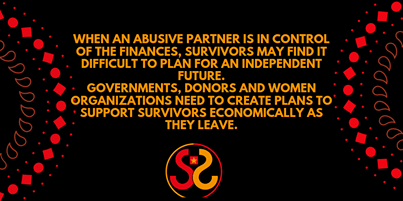
Financial abuse has a devastating impact on the victim. The abuse has tremendous threats to their financial well-being and prevents them from realizing their personal financial capability. Studies show that most women fear leaving the abuser because of a lack of finances to support themselves and their children when out of the relationship. And for those that manage to leave, some end up returning to the abuser because of the financial strains. Governments and women rights organizations’ need to create plans supporting survivors to become economically stable and self-sufficient after leaving cannot be understated.
Financial abuse is a hidden, insidious form of domestic violence that devalues and destroys victims. There is a need for more awareness around this form of abuse. Learning about its signs can be the first step in taking back control over your finances. Speaking out can feel tough but getting support is particularly important.
Remember: There are many ways financial abuse can show up in relationships and the signs may not be obvious at first. If you feel like your partner is controlling or manipulating your finances, please reach out for help. You deserve better than this. Check out resources here.
Watch out for ways you can help a friend or a loved one going through domestic violence.
Join our mailing list
Latest Posts
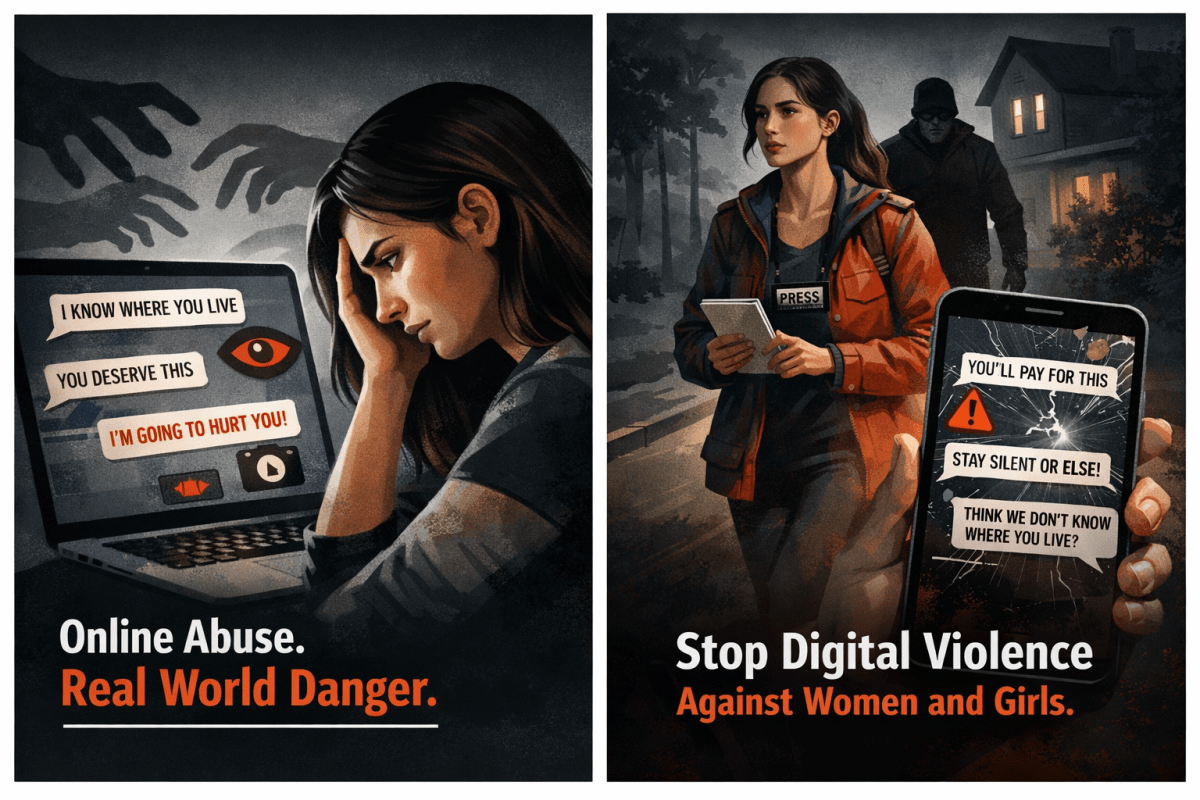
Digital Violence Is Real Violence. Why Prevention and Justice Must Catch Up
Digital violence against women and girls is escalating, with growing evidence linking online abuse, cyberstalking, and image-based abuse to real-world harm. As technology evolves faster than prevention and justice systems, survivors are left exposed to risk and inadequate protection. This blog explores the evidence behind technology-facilitated gender-based violence and outlines what must change to ensure…

5 Ways To Help A Person Going Through Gender-Based Violence
Gender-based violence isn’t just a personal issue. It’s a global crisis.
According to UN Women, nearly 1 in 3 women worldwide (about 736 million) have experienced physical or sexual violence in their lifetime. And those are just the cases we know about. Many more suffer in silence due to fear, stigma, or lack of support.
…
Using Technology to Combat Conflict-Related Sexual Violence
Conflict-related sexual violence is one of the most horrific human rights violations, affecting women, men, girls, and boys in conflict zones at alarming rates.
Over the past decade, the UN has verified more than 51,000 cases, with a staggering 50% increase in 2023 alone. Women and girls account for 95% of victims, and nearly a…
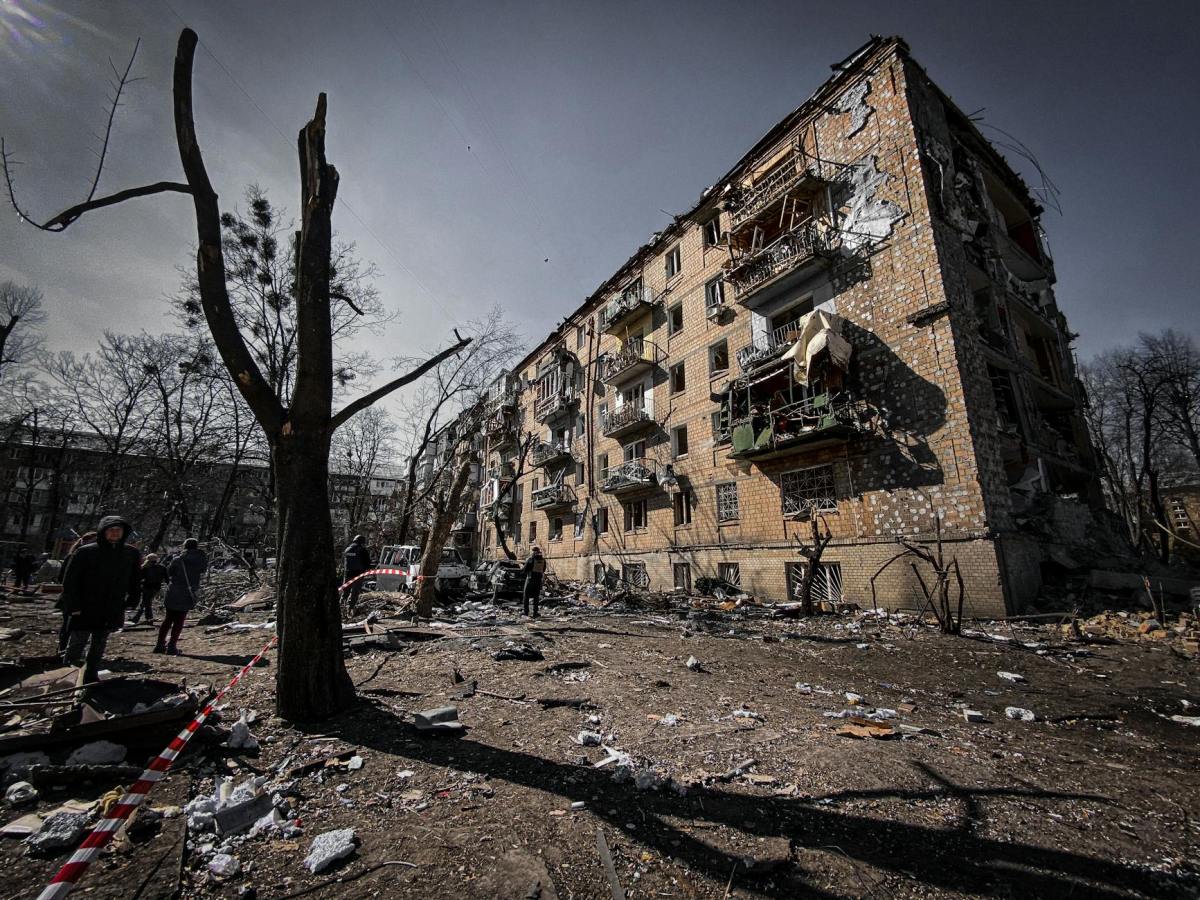
Addressing Gender-Based Violence in Humanitarian Crises
When humanitarian crises erupt, whether due to conflict, natural disasters, or economic collapse, gender-based violence (GBV) often emerges as a hidden yet pervasive crisis in its own right. The breakdown of societal structures, the chaos of mass displacement, and the erosion of community cohesion create an environment where women and girls are disproportionately affected. Amid…
Something went wrong. Please refresh the page and/or try again.
 Safe Speaks