Why Are Sexual Assault Survivors Still Expected to Prove They Are Telling the Truth?

When someone reports a robbery, burglary, or assault, investigators generally begin by examining the evidence. The victim is rarely expected to prove they are telling the truth before the investigation begins.

Yet sexual assault is too often treated differently.

Instead of being met with support, many survivors encounter doubt before their evidence is even considered. Questions such as “Are you sure?”, “Why didn’t you report sooner?”, or “What were you wearing?” reflect a double standard that continues to shape public attitudes and justice systems around the world.

The evidence tells a different story.

Research consistently shows that false reports of sexual assault are uncommon. A meta-analysis of police-recorded cases published in Archives of Sexual Behavior found that confirmed false reports account for approximately 5% of reported cases. Similarly, the End Violence Against Women International (EVAWI) reports that the most rigorous studies estimate false reporting rates between 2% and 8%, figures that are comparable to those for other crimes.

Yet sexual assault remains one of the few crimes where the possibility of a false report often shapes the initial response.

👉Click below to read the Full article.
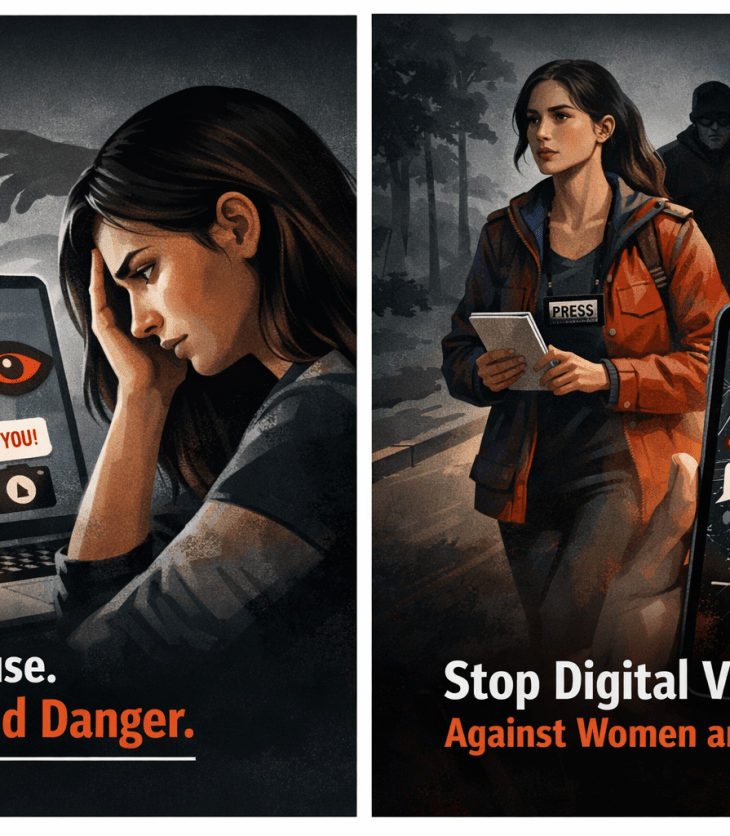
Digital violence is real violence

Digital Violence Is Real Violence. Why Prevention and Justice Must Catch Up

Digital violence against women and girls is escalating, with growing evidence linking online abuse, cyberstalking, and image-based abuse to real-world harm. As technology evolves faster than prevention and justice systems, survivors are left exposed to risk and inadequate protection. This blog explores the evidence behind technology-facilitated gender-based violence and outlines what must change to ensure accountability, safety, and justice.

Click Read More to read the Full Blog

5 Ways To Help A Person Going Through Gender-Based Violence

5 Ways To Help A Person Going Through Gender-Based Violence

Gender-based violence isn’t just a personal issue. It’s a global crisis.

According to UN Women, nearly 1 in 3 women worldwide (about 736 million) have experienced physical or sexual violence in their lifetime. And those are just the cases we know about. Many more suffer in silence due to fear, stigma, or lack of support.

Whether it’s a friend, family member, coworker, or neighbor, someone in your life may be silently living through the trauma of abuse right now. Knowing how to respond with compassion, care, and clarity can make all the difference.

In our latest blog, we share 5 meaningful ways to support someone facing gender-based violence. You’ll also learn what not to do, and why small, thoughtful actions can empower survivors on their path to healing. If you’ve ever wanted to help but weren’t sure how, this is where to start.

👉Click below to read the Full Blog.