

Gender-based violence (GBV) is an issue that requires immediate attention and action
Gender-based violence (GBV) is an insidious problem that continues to affect people of all ages and gender identities. From mental health issues, physical injuries, employment setbacks, or financial instability – the destructive effects are devastatingly real. Even though there has been progress in recent years toward curbing such horrifying violations of human dignity, it remains essential for all of us to raise our voices against GBV. There is a lot we can do in our own ways to make meaningful strides toward combatting this awful human experience. If you want to get involved in advocating against this type of abusive behavior but are unsure where to start then check out the following five ideas.
Here are some ways you can be supportive to a friend or family member experiencing GBV.
1. Listen and Believe: The first step in helping someone who is going through GBV is to listen to them without judgement. Let them tell their story without interruption and take time to really understand what they are saying. This is often difficult for people who have never experienced GBV themselves but it’s important to show understanding and compassion by not dismissing their experiences or offering advice before you have fully listened to them. Additionally, it’s important to believe what they are telling you – even if it doesn’t seem real or possible – as disbelief can be extremely damaging for those who have gone through trauma like this.
2. Provide Emotional Support: Once you have taken the time to listen and believe the person in need, it’s essential that you provide emotional support by showing empathy and understanding. This could mean something as simple as giving a hug if appropriate or simply expressing your concern for their wellbeing by letting them know that you care about them. It’s also important to reassure them that they are not alone in this situation and remind them of any other sources of support they may have access to such as family members or friends who can provide comfort during this difficult time.
3. Offer Practical Assistance: In addition to providing emotional support, it can also be helpful to offer practical assistance such as helping with food shopping or running errands for the person in need so that they don’t feel overwhelmed by these tasks while dealing with the aftermath of GBV. If there are any legal issues involved with the situation, then offering assistance with paperwork or finding a lawyer may also be beneficial for the person in need.
4. Create A Safety Plan: Once you have listened and provided both emotional and practical support, it’s important to create a safety plan together with the person in need so that they feel secure in their current environment or when preparing for any future threats from their perpetrator(s). This could involve anything from changing locks on doors/windows or installing security systems at home, creating communication plans with trusted contacts should a situation arise again, or using technology such as GPS tracking apps on phones so that safety risks can be monitored remotely if necessary.
5. Refer To Professional Services: Finally, once all practical steps have been taken it is crucial to refer the person in need of professional services such as counseling sessions so that they can process their emotions more effectively and build coping strategies for dealing with any further instances of GBV which may occur in future times of distress or vulnerability.
Remember though, for any progress to be made, a survivor has to find within themselves the courage needed in order to make changes in their life.
What Not to Do
There is no perfect way to help a victim of gender-based violence, but you might have to be careful not to do something that may worsen the situation. Here are some “don’ts” to avoid:
Don’t…
- Pressure the victim to take the action you suggest.
- Blame the victim.
- Bash the abuser. Focus on the behavior, not the personality.
- Underestimate the potential danger for the victim and yourself.
- Promise any help that you can’t follow through with.
- Give conditional support.
- Do anything that might provoke the abuser.
- Give up. If they are not willing to open up at first, be patient.
- Do anything to make it more difficult for the victim.
However, in an actively violent situation, calling the police or other protection services is not the problem but part of the solution. Check out resources here.
While gender-based violence continues to be an issue in many countries around the world, it’s possible for communities to work together toward reducing its prevalence. Listening intently without judgement; providing emotional support; offering practical assistance; creating safety plans; referring those affected to professional services will not only help reduce instances of GBV but also empower survivors. This will allow them greater control over their lives going forward.
Do you know someone who is going through gender-based violence?
Share with them the National Hotline in their country for help.
Author
Receive our blogs and newsletters
A Curated Collection of Books, Guides and Strategies.
Books and guides on gender-based violence, physical abuse, emotional abuse, sexual abuse, healing, mental health, and more.
LATEST POSTS
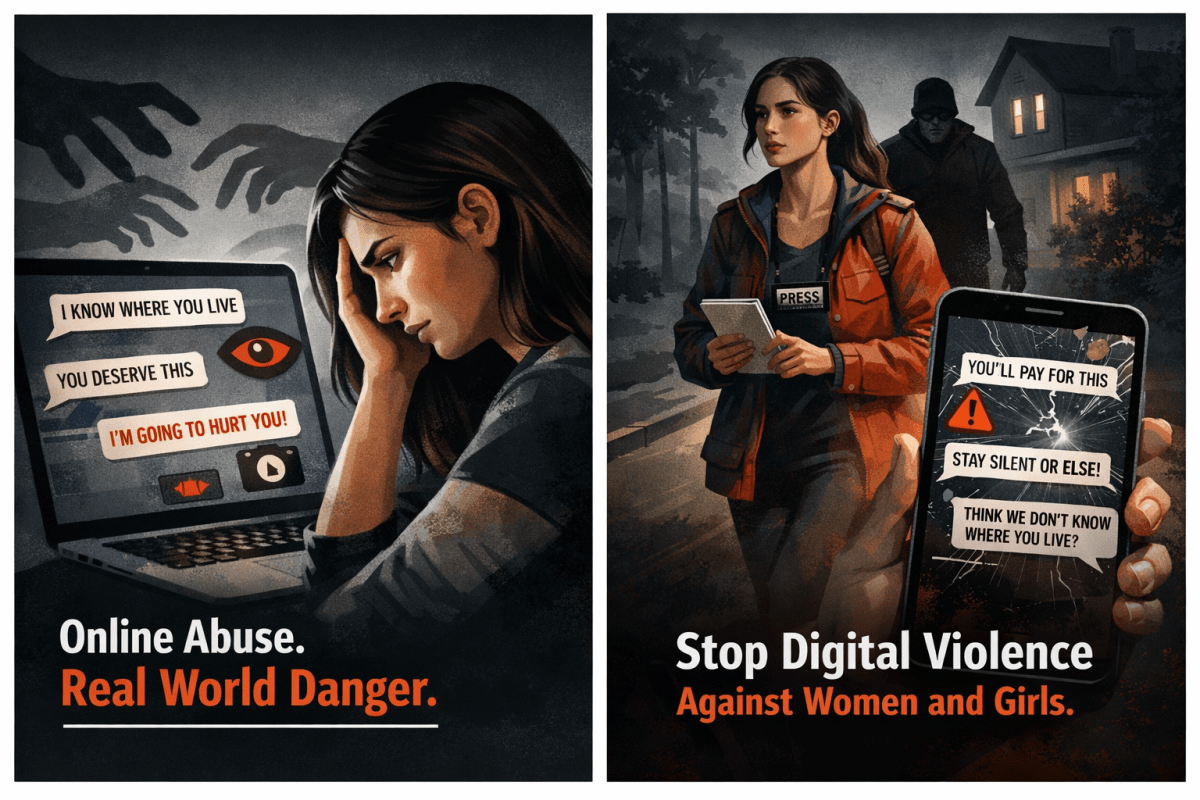
Digital Violence Is Real Violence. Why Prevention and Justice Must Catch Up
Digital violence against women and girls is escalating, with growing evidence linking online abuse, cyberstalking, and image-based abuse to real-world harm. As technology evolves faster than prevention and justice systems, survivors are left exposed to risk and inadequate protection. This blog explores the evidence behind technology-facilitated gender-based violence and outlines what must change to ensure…
5 Ways To Help A Person Going Through Gender-Based Violence
Gender-based violence isn’t just a personal issue. It’s a global crisis.
According to UN Women, nearly 1 in 3 women worldwide (about 736 million) have experienced physical or sexual violence in their lifetime. And those are just the cases we know about. Many more suffer in silence due to fear, stigma, or lack of support.
…
Using Technology to Combat Conflict-Related Sexual Violence
Conflict-related sexual violence is one of the most horrific human rights violations, affecting women, men, girls, and boys in conflict zones at alarming rates.
Over the past decade, the UN has verified more than 51,000 cases, with a staggering 50% increase in 2023 alone. Women and girls account for 95% of victims, and nearly a…
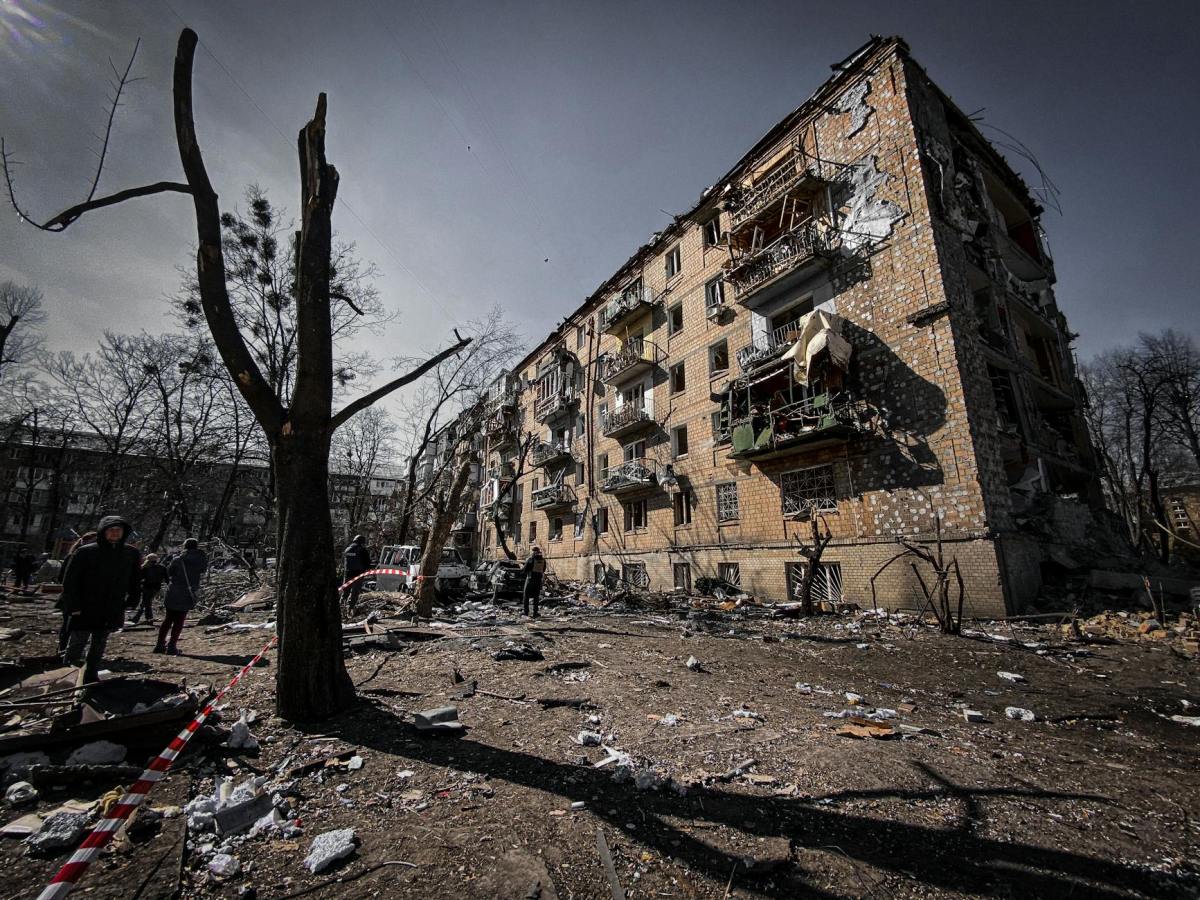
Addressing Gender-Based Violence in Humanitarian Crises
When humanitarian crises erupt, whether due to conflict, natural disasters, or economic collapse, gender-based violence (GBV) often emerges as a hidden yet pervasive crisis in its own right. The breakdown of societal structures, the chaos of mass displacement, and the erosion of community cohesion create an environment where women and girls are disproportionately affected. Amid…
Something went wrong. Please refresh the page and/or try again.
 Safe Speaks