

The digital age has created new opportunities for children to learn, grow, and connect with others. However, these opportunities are accompanied by new risks, including online violence. As individuals and collective, we must take action to protect children from harm and advocate for their rights online. By working together, we can create safe and inclusive digital spaces that promote children’s well-being and development.
The digital age has revolutionized the world and is transforming every aspect of human life. From communication to commerce, education, socialization, and expression of views, technology platforms have become integral parts of society. The internet has opened up new opportunities for children to learn, play, and interact with others. However, the flip side of these developments is that children’s safety, privacy, and rights have become more precarious than ever before. Online violence has become a scourge that must be tackled urgently to protect the rights of children.
The digital age has brought immense benefits to children, catering for their need for learning, entertainment, and socialization. Platforms such as social media provide opportunities for children to interact with friends, make new ones, and express themselves. However, this same platform has become a breeding ground for cyberbullying and online harassment. Cyberbullying, a form of violence, has become a common occurrence among children and young adults, causing significant harm to the victim. It may lead to depression, anxiety, and even suicide. Children’s rights to education, socialization, and expression of opinion online are being breached by cyber violence. It is essential for policymakers to put in place measures to safeguard children’s rights in this digital age.
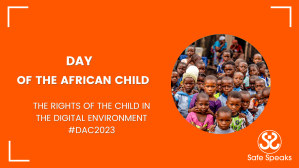
The digital age has witnessed the proliferation of sexually explicit content that children have access to through the internet. Some of this material is violent and degrading, presenting a danger to children’s emotional and psychological health. The availability of this content is facilitated by the anonymity that technology provides. This anonymity allows perpetrators of sexual exploitation and abuse of children to operate with ease. The sharing of explicit sexual content of minors online is a crime that should be treated with the utmost seriousness by governments. Children have a right to be protected from such threats.
Children’s privacy rights are also threatened in the digital age. Platforms such as social media have been known to harvest personal data without the knowledge of the user. Children are vulnerable to such breaches in privacy, as they may not have the necessary skills to protect themselves. In addition, perpetrators of abuse may use personal data to stalk victims, making children even more vulnerable to online violence. Governments and technology companies need to take active steps to safeguard children’s right to privacy while they are online.
Governments and policymakers have a crucial role to play in protecting the rights of children in this digital age. They must put in place measures to tackle online violence and provide resources to assist victims. Technology companies must prioritize children’s interests in their designs and operations. They must also provide tools for parents and children to monitor and report unruly behavior online. Organizations working on Children’s rights and issues have a significant role in advocating for the protection of children’s rights in this digital age. The integration of prevention of online violence as part of their child protection programs is critical for their effectiveness.
Moreover, the digital age provides opportunities to empower young people to take charge of their online safety. Young people can be taught digital literacy skills that equip them with the knowledge and skills to recognize and respond to potentially harmful online content effectively. Parental guidance and involvement are also essential in ensuring that children are using the internet safely and securely. Parents need to be vigilant about their children’s online activities, have an open dialogue about online safety, and encourage their children to report suspicious activity to trusted adults.
The digital age presents opportunities and challenges in equal measure for children. While it provides a platform for learning and socialization, it has also created new forms of online violence that must be tackled. Cyberbullying, sexual exploitation and abuse, and privacy breaches are rampant. Governments, technology companies, and child rights organizations must work together to safeguard children’s rights in this digital age. With an integrated approach and concerted efforts, the protection of children’s rights is achievable.
Author
Edith Mecha
Edith is a communications specialist and speaker with a heart for humanitarian issues, gender equity, and women empowerment. She loves adventure and advocating for important causes.
Sign up to receive our blogs and newsletters
A Curated Collection of Books, Guides and Strategies.
Books and guides on gender-based violence, physical abuse, emotional abuse, sexual abuse, healing, mental health, and more.
LATEST POSTS
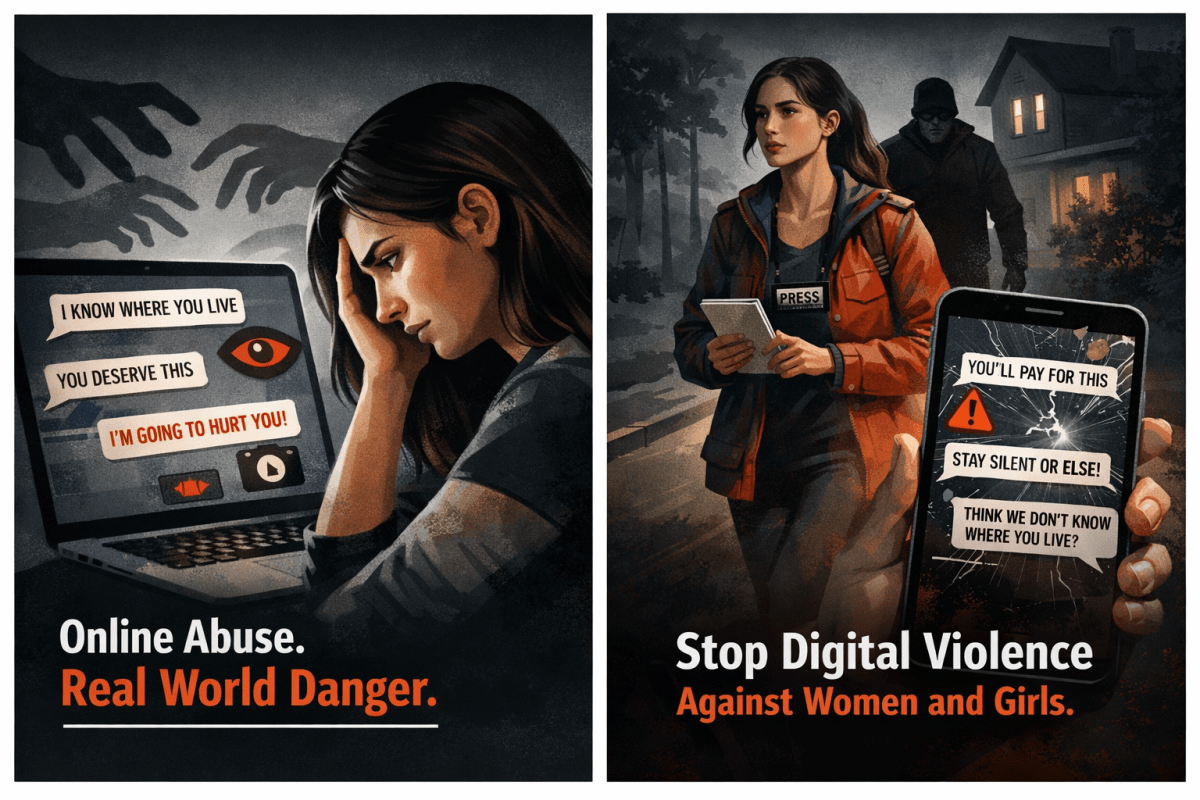
Digital Violence Is Real Violence. Why Prevention and Justice Must Catch Up
Digital violence against women and girls is escalating, with growing evidence linking online abuse, cyberstalking, and image-based abuse to real-world harm. As technology evolves faster than prevention and justice systems, survivors are left exposed to risk and inadequate protection. This blog explores the evidence behind technology-facilitated gender-based violence and outlines what must change to ensure…

5 Ways To Help A Person Going Through Gender-Based Violence
Gender-based violence isn’t just a personal issue. It’s a global crisis.
According to UN Women, nearly 1 in 3 women worldwide (about 736 million) have experienced physical or sexual violence in their lifetime. And those are just the cases we know about. Many more suffer in silence due to fear, stigma, or lack of support.
…
Using Technology to Combat Conflict-Related Sexual Violence
Conflict-related sexual violence is one of the most horrific human rights violations, affecting women, men, girls, and boys in conflict zones at alarming rates.
Over the past decade, the UN has verified more than 51,000 cases, with a staggering 50% increase in 2023 alone. Women and girls account for 95% of victims, and nearly a…
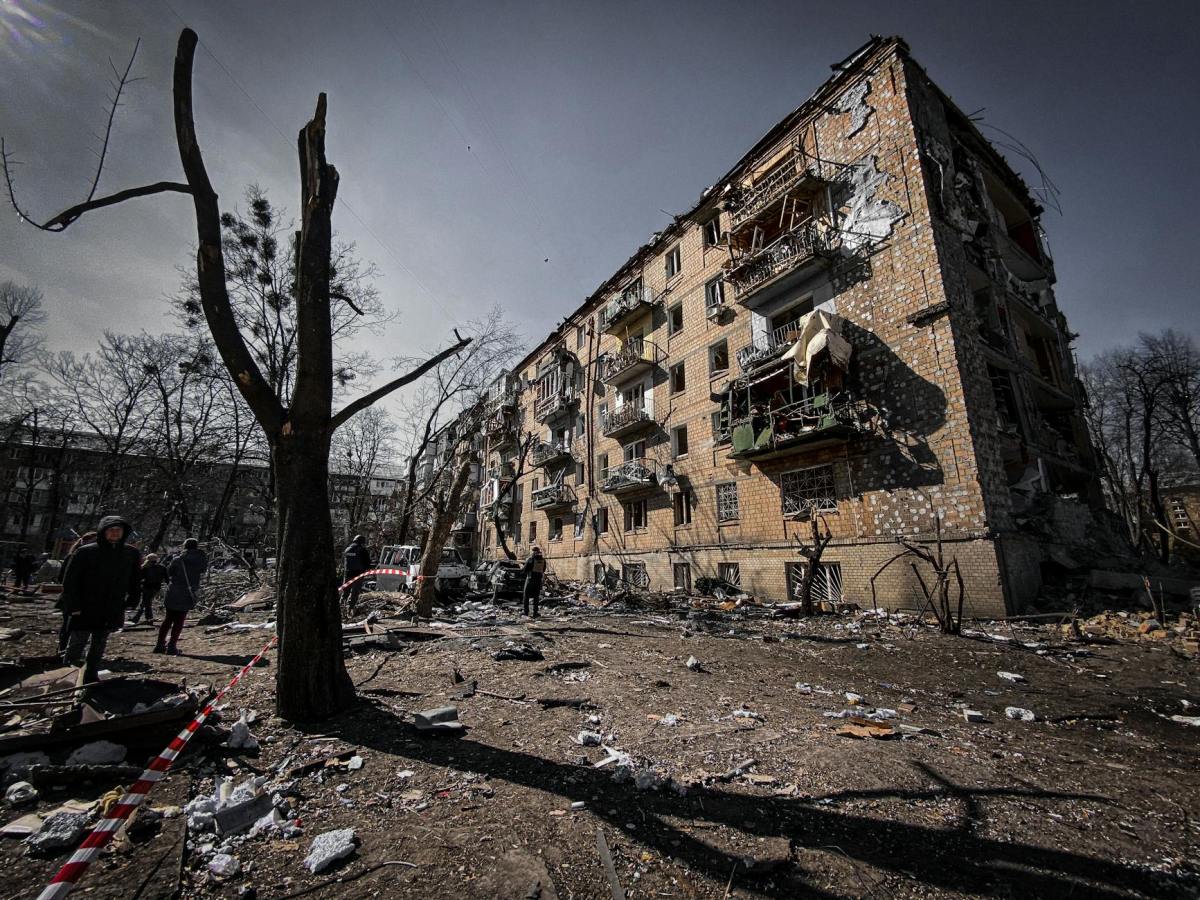
Addressing Gender-Based Violence in Humanitarian Crises
When humanitarian crises erupt, whether due to conflict, natural disasters, or economic collapse, gender-based violence (GBV) often emerges as a hidden yet pervasive crisis in its own right. The breakdown of societal structures, the chaos of mass displacement, and the erosion of community cohesion create an environment where women and girls are disproportionately affected. Amid…
Something went wrong. Please refresh the page and/or try again.
 Safe Speaks