Using Technology to Combat Conflict-Related Sexual Violence

Using Technology to Combat Conflict-Related Sexual Violence

Conflict-related sexual violence is one of the most horrific human rights violations, affecting women, men, girls, and boys in conflict zones at alarming rates.

Over the past decade, the UN has verified more than 51,000 cases, with a staggering 50% increase in 2023 alone. Women and girls account for 95% of victims, and nearly a third of cases involve children. Recent surges in places like Sudan, Haiti, Myanmar, and the Democratic Republic of the Congo reveal the growing scale of this crisis. Tragically, these numbers only scratch the surface, as many cases go unreported, leaving survivors without justice or support. Beyond the physical and emotional toll, survivors are left vulnerable to further harm, making it critical to address this issue and restore their dignity.

Technology is becoming a powerful ally in this fight, offering innovative solutions to educate, support, and prevent sexual violence in conflict zones. Tools like social media, big data, and virtual reality are helping tackle one of the most urgent human rights challenges of our time. While there’s still much to do, technology is opening new doors for action and hope.

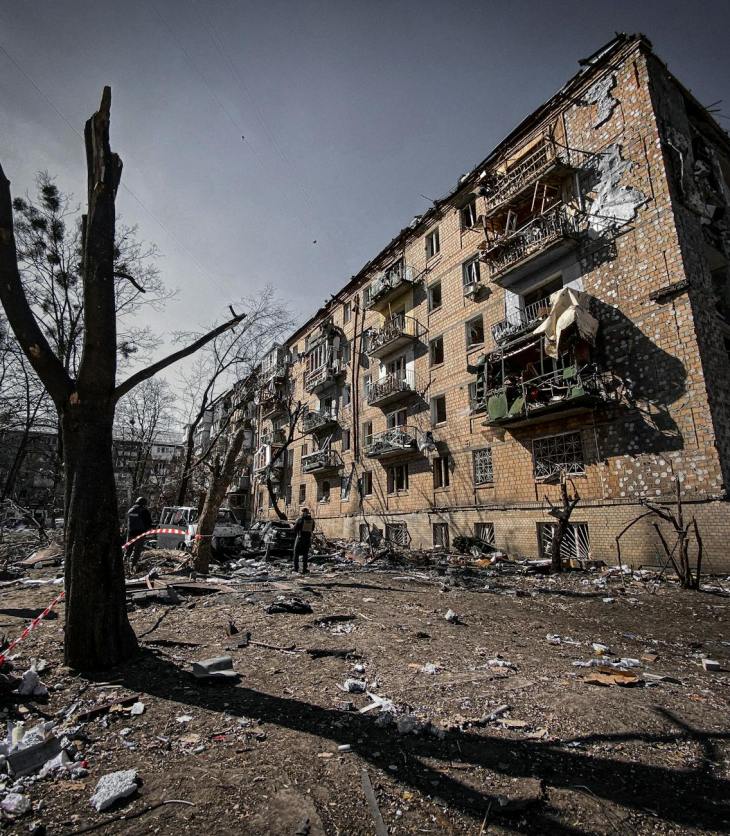
destroyed residential building under gray sky

Addressing Gender-Based Violence in Humanitarian Crises

When humanitarian crises erupt, whether due to conflict, natural disasters, or economic collapse, gender-based violence (GBV) often emerges as a hidden yet pervasive crisis in its own right. The breakdown of societal structures, the chaos of mass displacement, and the erosion of community cohesion create an environment where women and girls are disproportionately affected. Amid these upheavals, countless stories of unimaginable violence against them remain unheard, silenced by fear, stigma, and insecurity. The vulnerability of women and girls is magnified in such settings, with many facing heightened risks of physical, sexual, and psychological harm.

Addressing GBV during emergencies requires urgent, coordinated action. International organisations, local communities, and governments must work together to develop strategies that protect the rights of survivors and prevent future violence. Comprehensive support systems, including safe shelters, healthcare services, and trauma counselling, are vital to meet the immediate needs of survivors. Simultaneously, awareness campaigns can challenge harmful norms and empower women and girls to seek help. Strengthening legal frameworks and ensuring their enforcement is equally important to hold perpetrators accountable and build a culture of zero tolerance for GBV.

This article explores five strategies to address GBV during crises, shedding light on how we can amplify the voices of survivors, safeguard their rights, and foster resilience in the face of adversity.

Violence Against Women is a Men’s Issue

Violence against women is at epidemic levels. Most men are not violent, and most treat the women in their lives with respect and care. Yet most have done little to challenge the violence perpetrated by a minority of men. Men have a crucial role to play in joining with women to end this violence and helping to build a culture based on non-violence and gender equality.

Most men know that domestic violence and sexual assault are wrong, but we have done little to reduce this violence in our lives, families and communities. Too many men believe common myths about violence, have ignored women’s fears and concerns about their safety, and have stayed silent in the face of other men’s violence-supportive attitudes and behaviours. At the same time, a growing number of men are taking public action to help end violence against women.