
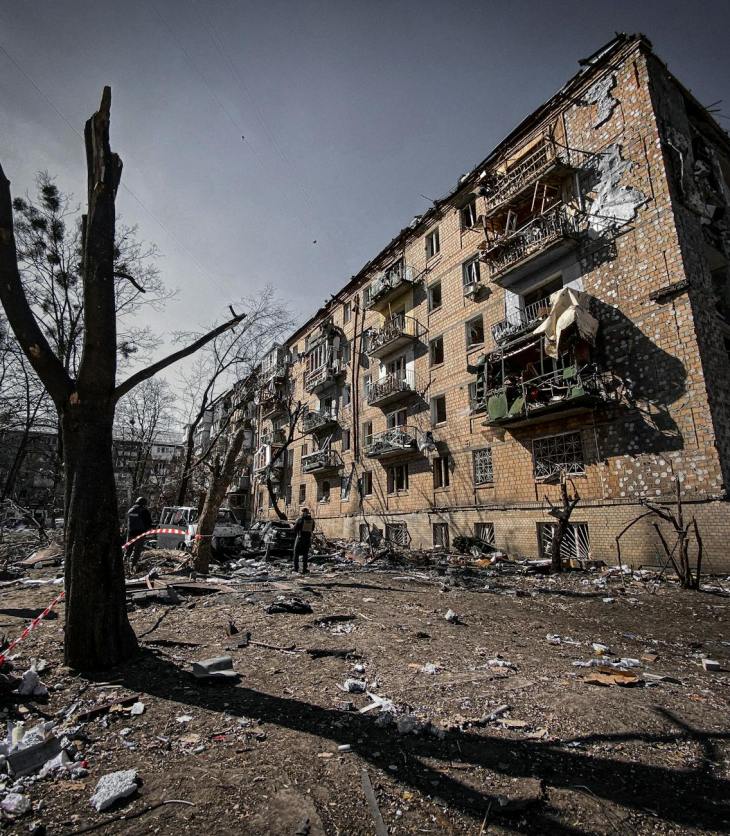
When humanitarian crises erupt, whether due to conflict, natural disasters, or economic collapse, gender-based violence (GBV) often emerges as a hidden yet pervasive crisis in its own right. The breakdown of societal structures, the chaos of mass displacement, and the erosion of community cohesion create an environment where women and girls are disproportionately affected. Amid these upheavals, countless stories of unimaginable violence against them remain unheard, silenced by fear, stigma, and insecurity. The vulnerability of women and girls is magnified in such settings, with many facing heightened risks of physical, sexual, and psychological harm.
Addressing GBV during emergencies requires urgent, coordinated action. International organisations, local communities, and governments must work together to develop strategies that protect the rights of survivors and prevent future violence. Comprehensive support systems, including safe shelters, healthcare services, and trauma counselling, are vital to meet the immediate needs of survivors. Simultaneously, awareness campaigns can challenge harmful norms and empower women and girls to seek help. Strengthening legal frameworks and ensuring their enforcement is equally important to hold perpetrators accountable and build a culture of zero tolerance for GBV.
This article explores five strategies to address GBV during crises, shedding light on how we can amplify the voices of survivors, safeguard their rights, and foster resilience in the face of adversity.
 Safe Speaks