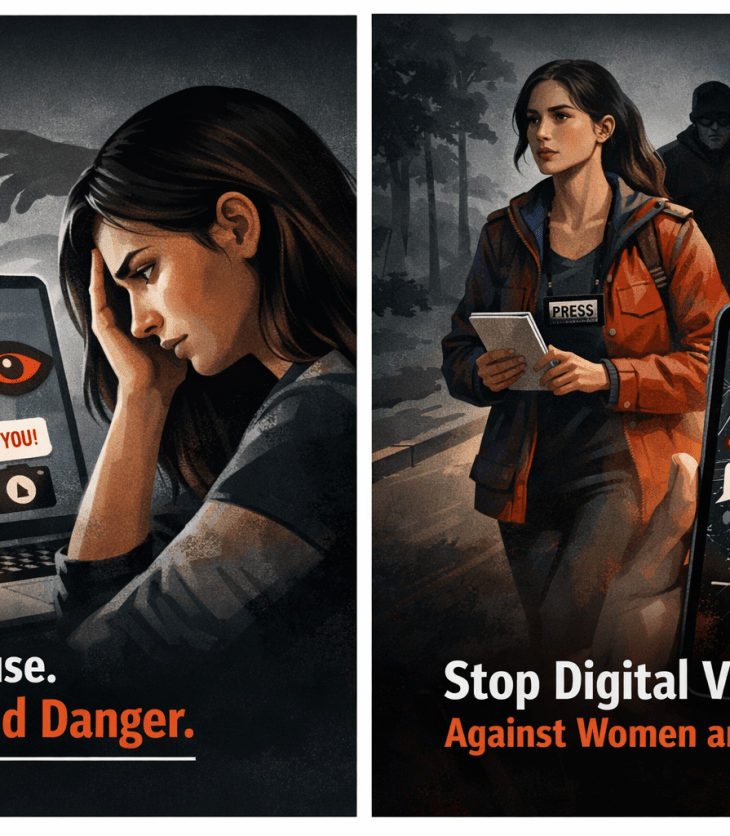
Digital violence is real violence

Digital Violence Is Real Violence. Why Prevention and Justice Must Catch Up

Digital violence against women and girls is escalating, with growing evidence linking online abuse, cyberstalking, and image-based abuse to real-world harm. As technology evolves faster than prevention and justice systems, survivors are left exposed to risk and inadequate protection. This blog explores the evidence behind technology-facilitated gender-based violence and outlines what must change to ensure accountability, safety, and justice.

Click Read More to read the Full Blog

5 Ways To Help A Person Going Through Gender-Based Violence

5 Ways To Help A Person Going Through Gender-Based Violence

Gender-based violence isn’t just a personal issue. It’s a global crisis.

According to UN Women, nearly 1 in 3 women worldwide (about 736 million) have experienced physical or sexual violence in their lifetime. And those are just the cases we know about. Many more suffer in silence due to fear, stigma, or lack of support.

Whether it’s a friend, family member, coworker, or neighbor, someone in your life may be silently living through the trauma of abuse right now. Knowing how to respond with compassion, care, and clarity can make all the difference.

In our latest blog, we share 5 meaningful ways to support someone facing gender-based violence. You’ll also learn what not to do, and why small, thoughtful actions can empower survivors on their path to healing. If you’ve ever wanted to help but weren’t sure how, this is where to start.

👉Click below to read the Full Blog.

Using Technology to Combat Conflict-Related Sexual Violence

Using Technology to Combat Conflict-Related Sexual Violence

Conflict-related sexual violence is one of the most horrific human rights violations, affecting women, men, girls, and boys in conflict zones at alarming rates.

Over the past decade, the UN has verified more than 51,000 cases, with a staggering 50% increase in 2023 alone. Women and girls account for 95% of victims, and nearly a third of cases involve children. Recent surges in places like Sudan, Haiti, Myanmar, and the Democratic Republic of the Congo reveal the growing scale of this crisis. Tragically, these numbers only scratch the surface, as many cases go unreported, leaving survivors without justice or support. Beyond the physical and emotional toll, survivors are left vulnerable to further harm, making it critical to address this issue and restore their dignity.

Technology is becoming a powerful ally in this fight, offering innovative solutions to educate, support, and prevent sexual violence in conflict zones. Tools like social media, big data, and virtual reality are helping tackle one of the most urgent human rights challenges of our time. While there’s still much to do, technology is opening new doors for action and hope.