5 Ways To Help A Person Going Through Gender-Based Violence

5 Ways To Help A Person Going Through Gender-Based Violence

Gender-based violence isn’t just a personal issue. It’s a global crisis.

According to UN Women, nearly 1 in 3 women worldwide (about 736 million) have experienced physical or sexual violence in their lifetime. And those are just the cases we know about. Many more suffer in silence due to fear, stigma, or lack of support.

Whether it’s a friend, family member, coworker, or neighbor, someone in your life may be silently living through the trauma of abuse right now. Knowing how to respond with compassion, care, and clarity can make all the difference.

In our latest blog, we share 5 meaningful ways to support someone facing gender-based violence. You’ll also learn what not to do, and why small, thoughtful actions can empower survivors on their path to healing. If you’ve ever wanted to help but weren’t sure how, this is where to start.

👉Click below to read the Full Blog.
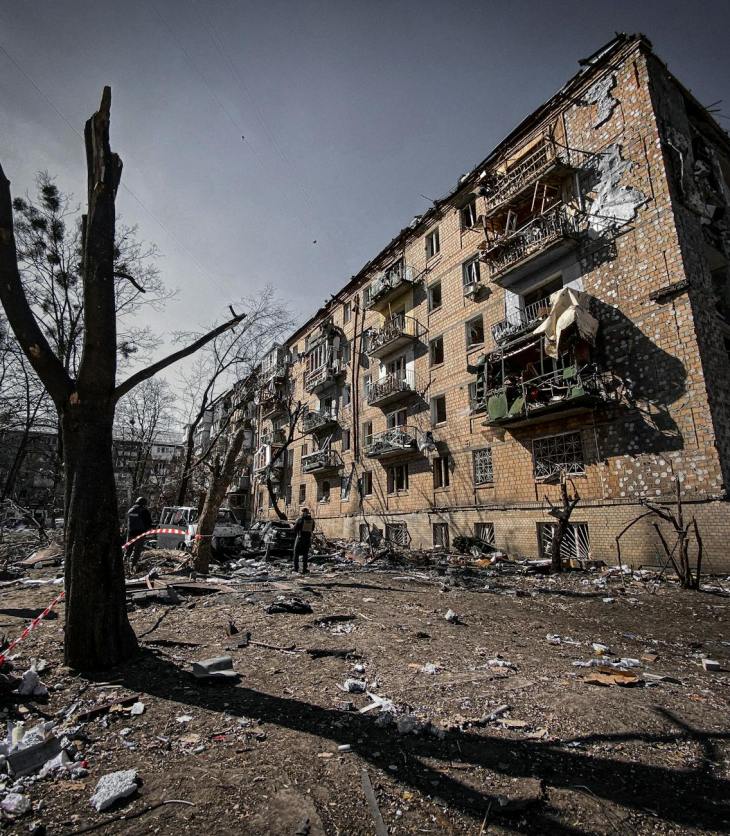
destroyed residential building under gray sky

Addressing Gender-Based Violence in Humanitarian Crises

When humanitarian crises erupt, whether due to conflict, natural disasters, or economic collapse, gender-based violence (GBV) often emerges as a hidden yet pervasive crisis in its own right. The breakdown of societal structures, the chaos of mass displacement, and the erosion of community cohesion create an environment where women and girls are disproportionately affected. Amid these upheavals, countless stories of unimaginable violence against them remain unheard, silenced by fear, stigma, and insecurity. The vulnerability of women and girls is magnified in such settings, with many facing heightened risks of physical, sexual, and psychological harm.

Addressing GBV during emergencies requires urgent, coordinated action. International organisations, local communities, and governments must work together to develop strategies that protect the rights of survivors and prevent future violence. Comprehensive support systems, including safe shelters, healthcare services, and trauma counselling, are vital to meet the immediate needs of survivors. Simultaneously, awareness campaigns can challenge harmful norms and empower women and girls to seek help. Strengthening legal frameworks and ensuring their enforcement is equally important to hold perpetrators accountable and build a culture of zero tolerance for GBV.

This article explores five strategies to address GBV during crises, shedding light on how we can amplify the voices of survivors, safeguard their rights, and foster resilience in the face of adversity.

The Power of Innovation in Preventing Violence Against Women

The Power of Innovation in Preventing Violence Against Women

Violence against women is a devastating global crisis that demands immediate attention. According to the World Health Organization, one in three women worldwide experiences physical or sexual violence during their lifetime, and the rates are even higher in low-income countries.

The impact of gender-based violence is particularly severe during humanitarian crises such as conflicts, displacement, and natural disasters. During these crises, women and girls are at a higher risk of becoming victims of sexual and gender-based violence, including rape, forced marriage, and human trafficking.

Traditional approaches to combat violence against women have historically focused on punitive measures and criminal justice solutions. However, these approaches have been insufficient in preventing violence and addressing its root causes. Many women face cultural, economic, and social barriers that impede their ability to report incidents of violence or seek help. Moreover, these responses do not adequately address the societal norms and power dynamic that perpetuate violence against women.

Innovation has presented a unique opportunity to tackle the issue of violence against women.