
Listen to them without judgement
Edith Mecha
A friend or a family member may be going through domestic violence and you could be unsure of how to help. There are so many ways you could help. But, first recognize that they have to be willing to help themselves first for a breakthrough to happen.
Here are some ways you can be supportive to a friend or family member experiencing abuse.
Listen to them patiently without judgement. Believe them. Do not interrupt or force your own opinions on them. If you push your decision on them it might backfire and there is a risk of them shutting and stopping from speaking to you openly in the future. Instead, ask them how you can help.
Be patient and keep constant communication. You can share resources on credible helplines and hotlines, violence support organizations, online counselling, safe spaces, legal and medical support, and safety tips. But do not be pushy.
Encourage them to build a support network of trusted family and friends. This will help them to get the support and protection they might need.
Help them make a safety plan. This will keep them and any children, physically, psychologically, and emotionally safe. This could also include coining a word, phrase or signal that they could use to alert you and other trusted friends that they need help. Safety planning is critical in the fight against violence.
Walk patiently with them and offer support where you can till they make their own resolution which they are comfortable with. This is the only way a decision becomes sustainable and feels right.
What Not to Do
There is no perfect way to help a victim of domestic violence, but you might have to be careful not to do something that may worsen the situation. Here are some “don’ts” to avoid:
Don’t…
- Pressure the victim to take the action you suggest.
- Blame the victim.
- Bash the abuser. Focus on the behavior, not the personality.
- Underestimate the potential danger for the victim and yourself.
- Promise any help that you can’t follow through with.
- Give conditional support.
- Do anything that might provoke the abuser.
- Give up. If they are not willing to open up at first, be patient.
- Do anything to make it more difficult for the victim.
However, in an actively violent situation, calling the police or other protection services is not the problem but part of the solution. Check out resources here.
Domestic violence remains an issue that could greatly affect later generations if we don’t join forces starting from boys, men, girls, women, family and society at large. It is not a good thing. Each one of us has a responsibility to spot and stop it. #spotitstopit
Do you know someone who is going through domestic violence?
Share with them the National Hotline in their country for help.
About The Author

Edith is a creative writer, social science researcher, speaker and a civic change advocate.
Join us
Get new content delivered directly to your inbox.
A Curated Collection of Books, Guides and Strategies.
Books and guides on gender based violence, physical abuse, emotional abuse, sexual abuse, healing, mental health and more.
LATEST POSTS
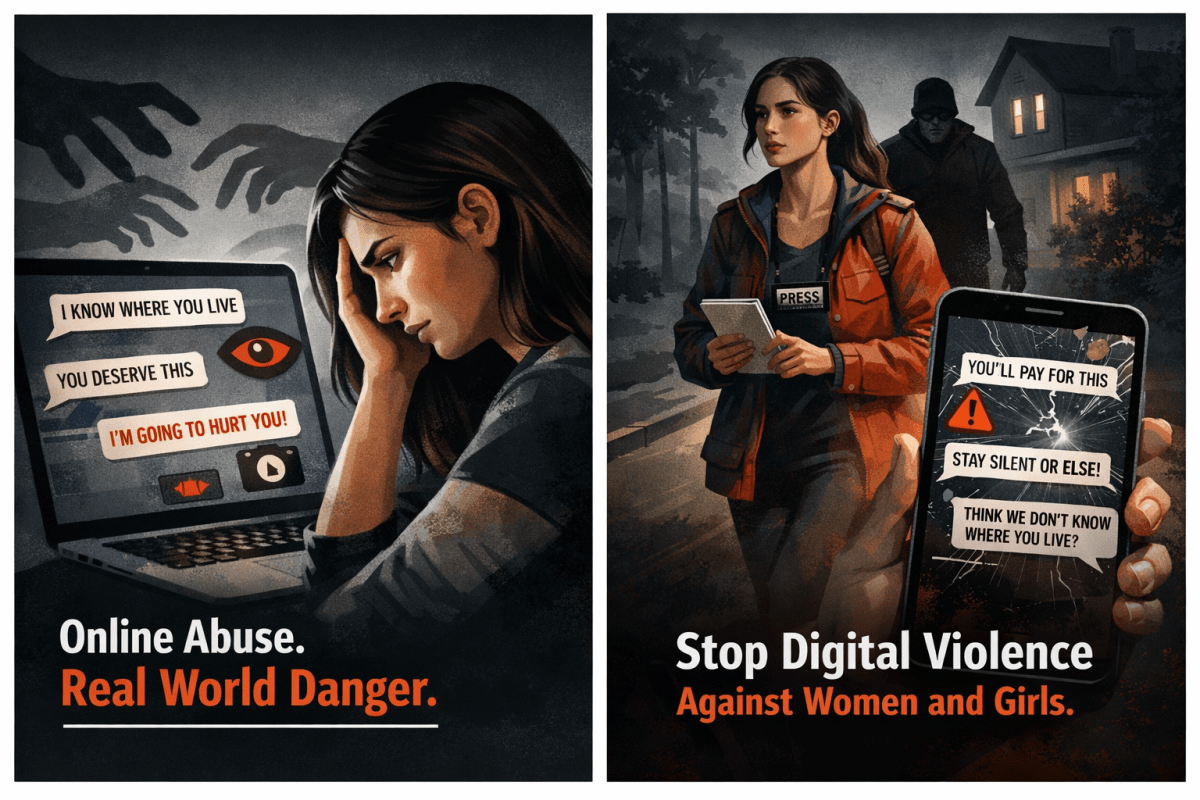
Digital Violence Is Real Violence. Why Prevention and Justice Must Catch Up
Digital violence against women and girls is escalating, with growing evidence linking online abuse, cyberstalking, and image-based abuse to real-world harm. As technology evolves faster than prevention and justice systems, survivors are left exposed to risk and inadequate protection. This blog explores the evidence behind technology-facilitated gender-based violence and outlines what must change to ensure…

5 Ways To Help A Person Going Through Gender-Based Violence
Gender-based violence isn’t just a personal issue. It’s a global crisis.
According to UN Women, nearly 1 in 3 women worldwide (about 736 million) have experienced physical or sexual violence in their lifetime. And those are just the cases we know about. Many more suffer in silence due to fear, stigma, or lack of support.
…
Using Technology to Combat Conflict-Related Sexual Violence
Conflict-related sexual violence is one of the most horrific human rights violations, affecting women, men, girls, and boys in conflict zones at alarming rates.
Over the past decade, the UN has verified more than 51,000 cases, with a staggering 50% increase in 2023 alone. Women and girls account for 95% of victims, and nearly a…
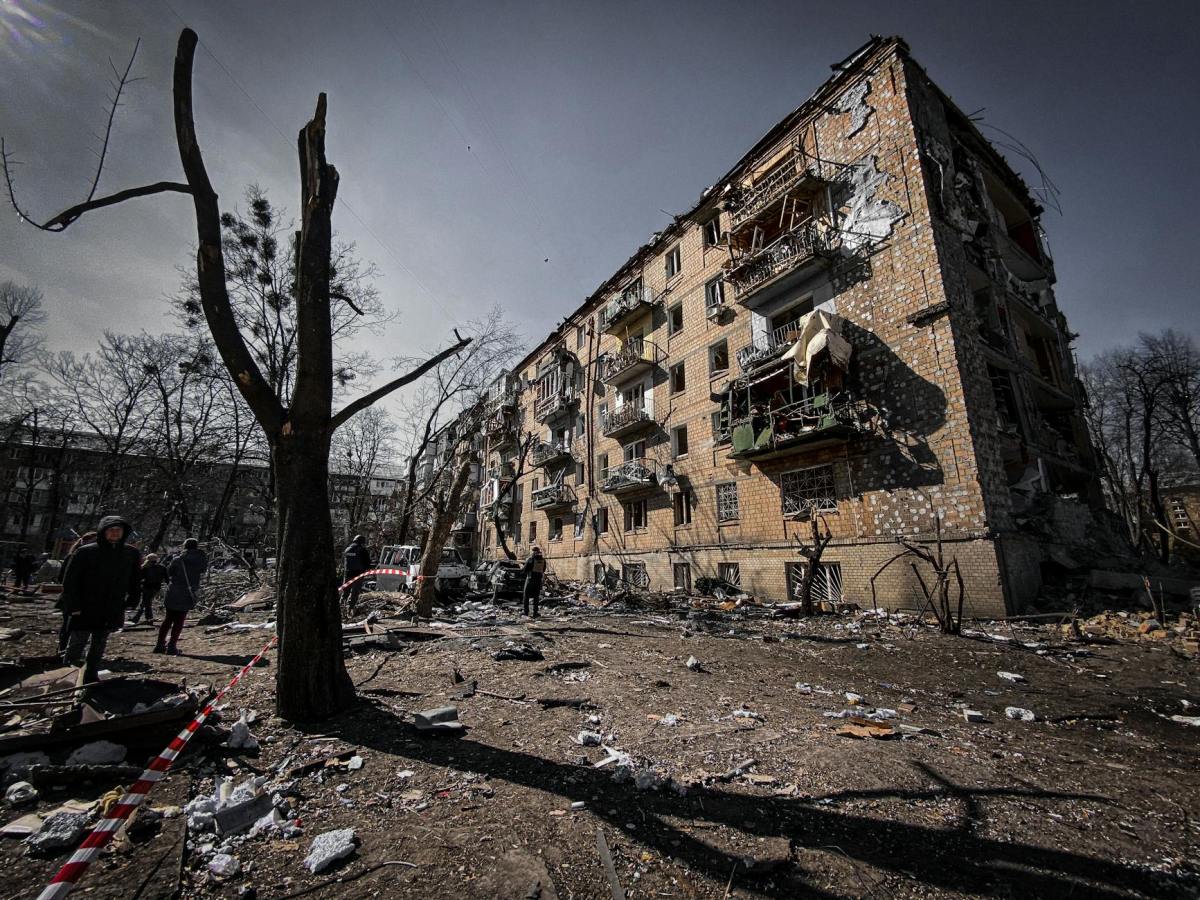
Addressing Gender-Based Violence in Humanitarian Crises
When humanitarian crises erupt, whether due to conflict, natural disasters, or economic collapse, gender-based violence (GBV) often emerges as a hidden yet pervasive crisis in its own right. The breakdown of societal structures, the chaos of mass displacement, and the erosion of community cohesion create an environment where women and girls are disproportionately affected. Amid…
Something went wrong. Please refresh the page and/or try again.
 Safe Speaks