

Four steps you can take to minimize the detrimental effects of verbal abuse.
Berit Brogaard D.M.Sci., Ph.D
Verbal abuse is a way of hurting others, using words or silence as a weapon. Unlike physical abuse, verbal abuse doesn’t give rise to broken limbs, black eyes, or bruises. Yet it can be just as emotionally disturbing and often leads to anxiety, fear, despair, or depression.
The only surefire way to end verbal abuse is to permanently remove yourself from your abuser. But this requires being in a position to recognize the abuse, and even once you have identified the problem, external factors such as financial issues, young children or a common workplace may make it difficult to permanently remove yourself from the situation. If you can’t permanently remove yourself from your abuser for whatever reason, your only recourse is to minimize the detrimental effects of the abuse the best you can. Here are four steps you can take to help you to stay sane for the time being:
Learn to Recognize the Abuse
The first step is to recognize the abuse for what it is. Verbal abuse can take many different forms. The most easily identifiable forms of verbal abuse include name-calling (e.g., “b*tch,” “c*nt,” “asshole,” etc.) and extreme angry outbursts (e.g., yelling or sneering). Harder-to-recognize forms include mocking, belittling, ridiculing, evading questions, sarcasm, confusion, inappropriate silence, and inappropriate criticism and attacks.


What characterizes all forms of verbal abuse is that words, or the lack thereof, are used to control another person in a way that harms them emotionally. If you are unsure of whether you are the victim of verbal abuse, chances are that you are. If your abuser’s words (or lack thereof) constantly hurt you, you are almost certainly in a verbally abusive relationship. If you consistently feel confused by your partner’s remarks, you are probably in a verbally abusive relationship.
Respond Forcefully
Once you have recognized the abuse, the next step is to attempt to change the situation by making your abuser aware that they are verbally abusive. Their verbal abusive behavior may in rare instances be grounded in extreme ignorance, and a simple conversation should then be able to put an end to the abuse. But in most cases, this simple approach won’t work.
If you are in a verbally abusive relationship, there is a regular pattern of abuse. This sort of pattern cannot ordinarily be broken simply by having a conversation about the issue. A better approach is to call your abuser’s attention to the abuse every time it happens.
If you are the target of verbal abuse, don’t engage with the content of what is said. Don’t even listen to it. And definitely don’t try to explain to your abuser why they shouldn’t do what they are doing or why they are wrong. If there is one thing you can be certain about, it is this: you can’t reason with a verbal abuser.
Rather than trying to use logic with your abuser, tell them in a firm voice to stop what they are doing. The two words “Stop it!” can be an effective response. An alternative is to name the abuse without making any mention of the content. If the abuser is calling you names, for example, you can reply with “Stop using negative labels to define me,” or simply, “Stop the name-calling!” If none of this works, don’t stick around for more of the verbal beating. Leave the room.
Spend Time Away From Your Abuser
When you are not in a position to permanently part ways with your abuser, find ways to cope until you can. Work on becoming independent of your abuser and continue to respond with force to every instance of the abuse. To shield your emotional and physical health, spend time away from your abuser as much as possible. Take the dog for a long walk, take the kids to the park, ask a friend to meet you at a cafe, visit family, or run some errands. Or attend to some of those projects you need to get done.
Don’t Keep the Abuse a Secret
Because verbal abuse doesn’t leave easily recognizable physical marks, it can be hard for others to know that it’s taking place. Verbal abusers often carry out the abuse behind closed doors. They furthermore tend to be charming and are often highly respected individuals from whom others would never expect this kind of behavior.
Because you don’t have any visible proof of the abuse, you may be wary of confiding in others. You may doubt that others will believe you. You may even be unsure of whether what’s going on really is a kind of abuse. Perhaps you are thinking that there is something wrong with you and not your abuser.
Don’t let any of these reasons prevent you from letting other people know what’s going on. The people you trust are going to be on your side. They are not going to doubt you or think that you are the source of the problem. Bury your reasons for keeping the abuse a secret and get the support you need from close friends and family members and seek professional counseling from someone specifically trained to handle verbal and emotional abuse.
About the Author
Berit Brogaard, D.M.Sci., Ph.D., is a professor of philosophy and the Director of the Brogaard Lab for Multisensory Research at the University of Miami.

Emotional Abuse: How To Recognize The Signs
Join us
Get new content delivered directly to your inbox.
A Curated Collection of Books, Guides and Strategies.
Books and guides on gender based violence, physical abuse, emotional abuse, sexual abuse, healing, mental health and more.
Latest from the Blog
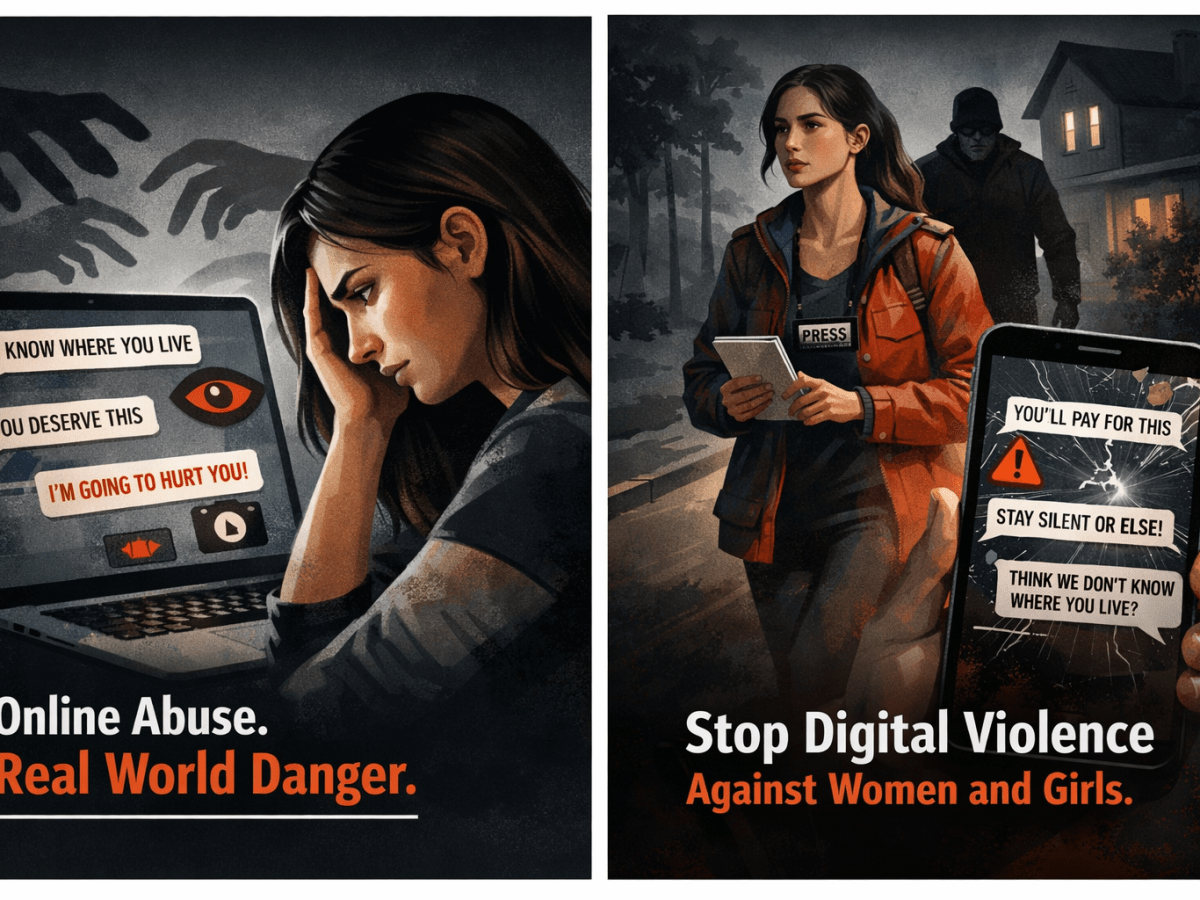
Digital Violence Is Real Violence. Why Prevention and Justice Must Catch Up
Digital violence against women and girls is escalating, with growing evidence linking online abuse, cyberstalking, and image-based abuse to real-world harm. As technology evolves faster than prevention and justice systems, survivors are left exposed to risk and inadequate protection. This blog explores the evidence behind technology-facilitated gender-based violence and outlines what must change to ensure…
5 Ways To Help A Person Going Through Gender-Based Violence
Gender-based violence isn’t just a personal issue. It’s a global crisis.
According to UN Women, nearly 1 in 3 women worldwide (about 736 million) have experienced physical or sexual violence in their lifetime. And those are just the cases we know about. Many more suffer in silence due to fear, stigma, or lack of support.
…
Using Technology to Combat Conflict-Related Sexual Violence
Conflict-related sexual violence is one of the most horrific human rights violations, affecting women, men, girls, and boys in conflict zones at alarming rates.
Over the past decade, the UN has verified more than 51,000 cases, with a staggering 50% increase in 2023 alone. Women and girls account for 95% of victims, and nearly a…
 Safe Speaks