

Technology can be a powerful tool to support efforts aimed at ending conflict-related sexual violence. It can help communities to stay safe, document crimes and hold perpetrators accountable, and support survivors in receiving the necessary care and justice they need. However, technology alone is not enough. It is essential that policymakers, governments, donors, and the international community work together to ensure that technology is used in ethical, appropriate, and safe ways to support the needs of those affected by conflict-related sexual violence.
According to the UNHCR, over 108.4 million people around the world have been forced to flee their homes due to armed conflicts and persecution. In many of these situations, sexual violence is used as a weapon of war, creating additional trauma for those affected.
Conflict-related sexual violence is a widespread and alarming phenomenon that has devastating effects on individuals, communities, and societies at large. It is a form of gender-based violence that is defined as any act of sexual violence, including rape, sexual slavery, forced prostitution, forced pregnancy, forced sterilization, and any other form of sexual violence of comparable gravity perpetrated against women, men, boys, and girls before, during, or after an armed conflict. It is a human rights violation that inflicts physical, psychological, and social harm, often leading to long-term trauma, stigmatization, and exclusion. The prevalence of conflict-related sexual violence calls for urgent and effective responses that can prevent, protect, and respond to survivors. One of the innovative and promising approaches to address this issue is harnessing technology.
The use of technology to prevent, respond to, and document conflict-related sexual violence is an emerging trend that has gained momentum in recent years. It refers to the use of digital devices, tools, and applications to enhance prevention, protection, and response measures to address the complex challenges of this issue. There are many examples of how technology can be used to combat conflict-related sexual violence.
1. Early Warning Systems
Technology can be used to monitor social media and other online platforms and alert authorities to potential conflicts or violence before it escalates. This helps to generate timely responses to incidents of violence and promotes greater public awareness of conflict-related gender-based violence. Early warning systems can also track the movements of armed groups, allowing for the deployment of peacekeeping forces to areas where conflict-related sexual violence is likely to occur.

2. Mobile Alert System
A mobile alert system is a tool that is capable of sending up-to-date information regarding cases of sexual violence in conflict zones to organizations that specialize in gender-based violence. The system leverages available technologies such as social media channels, messaging systems, and even phone hotlines for immediate assistance. They can provide survivors with access to support hotlines, medical services, legal aid, information on their rights, the services available to them, and personal safety tips. This innovative approach could help improve support for survivors and promote justice while increasing the responsiveness of authorities.
3. Data Analytics
Big data analytics and machine learning technology can be employed to monitor online activity and analyze evidence of sexual violence. By analyzing data from social media conversations, chat rooms, and online groups, experts in gender-based violence can gain insights into the patterns of behavior and locate and track sexual predators. This offers an opportunity to better understand the incidence and nature of such violence and use these insights to design more effective interventions.
4. Digital Storytelling and Awareness-Raising Campaigns
Technology is increasingly being used to support storytelling and awareness-raising campaigns to educate communities and governments about the effects of conflict-related sexual violence, its legal and ethical implications, and how to prevent it. These campaigns often use social media platforms, videos, podcasts, and infographics to promote a better understanding of the issues, challenge stereotypes, and promote gender equity.
5. Innovative Databases
Technology has led to the creation of innovative databases. These databases store information on perpetrators and survivors, and they act as reference points for legal counsel. Information about sexual violence cases can be shared on a global stage through these databases, leading to more resources and knowledge sharing, ultimately driving prevention efforts. An example is the ongoing initiative of SafeCity, which maps cases of sexual harassment and abuse in public spaces to provide heat maps of high-risk places.
6. Lastly, technology can be used to coordinate and mobilize communities in the fight against conflict-related sexual violence. Social media platforms such as Twitter and Facebook can be used to organize awareness campaigns, protests, and other forms of activism. These platforms can also be used to connect survivors with each other, creating support networks that can provide emotional and other forms of support.
Challenges and Risks of Technology
However, the use of technology to address conflict-related sexual violence is not without challenges and risks. Some of the key challenges and risks include the digital divide, the protection and privacy of survivors, the accuracy and reliability of data, the potential for misuse and abuse of technology, and the potential for unintended consequences. For instance, the digital divide refers to the unequal distribution of access, skills, and resources to use technology, which can amplify existing social inequalities and marginalization. Survivors may also face risks of re-victimization, retaliation, and further harm if their information is not protected and their privacy is not respected.
Moreover, the accuracy and reliability of data can be compromised by the biases and limitations of technology, as well as the social and cultural factors that shape the reporting and documentation of conflict-related sexual violence. Finally, the potential for misuse and abuse of technology can lead to unintended consequences, such as the normalization of surveillance, the perpetuation of harmful stereotypes, and the erosion of trust in institutions.
Human Rights-based and Gender-sensitive Approach
To address these challenges and risks, it is crucial to adopt a human rights-based and gender-sensitive approach to the use of technology to address conflict-related sexual violence. This approach should prioritize the empowerment and protection of survivors, the accountability and prevention of perpetrators, and the promotion of evidence-based and participatory interventions. It should also recognize the diversity and intersectionality of survivors’ backgrounds and experiences, and pay attention to the power dynamics and inequalities that shape the use of technology in conflict-related sexual violence contexts. Additionally, this approach should involve the meaningful and inclusive participation of survivors, communities, civil society organizations, governments, and other stakeholders throughout all stages of the design, implementation, and evaluation of technological interventions.
In conclusion, the use of technology to address conflict-related sexual violence is a promising and innovative approach that can enhance prevention, protection, and response interventions. However, it is also a complex and challenging issue that requires careful consideration of the risks, challenges, and opportunities involved. To harness technology effectively to address conflict-related sexual violence, it is essential to adopt a human rights-based and gender-sensitive approach that prioritizes the empowerment and protection of survivors, the accountability and prevention of perpetrators, and the promotion of evidence-based and participatory interventions. By doing so, we can leverage the power and potential of technology to advance justice, security, and dignity for all.
Author
Edith Mecha
Edith is a communications specialist and speaker with a heart for humanitarian issues, gender, women and children, and technology. She loves adventure and advocating for important causes.
Sign up to receive our blogs and newsletters
A Curated Collection of Books, Guides and Strategies.
Books and guides on gender-based violence, physical abuse, emotional abuse, sexual abuse, healing, mental health, and more.
LATEST POSTS
Digital Violence Is Real Violence. Why Prevention and Justice Must Catch Up
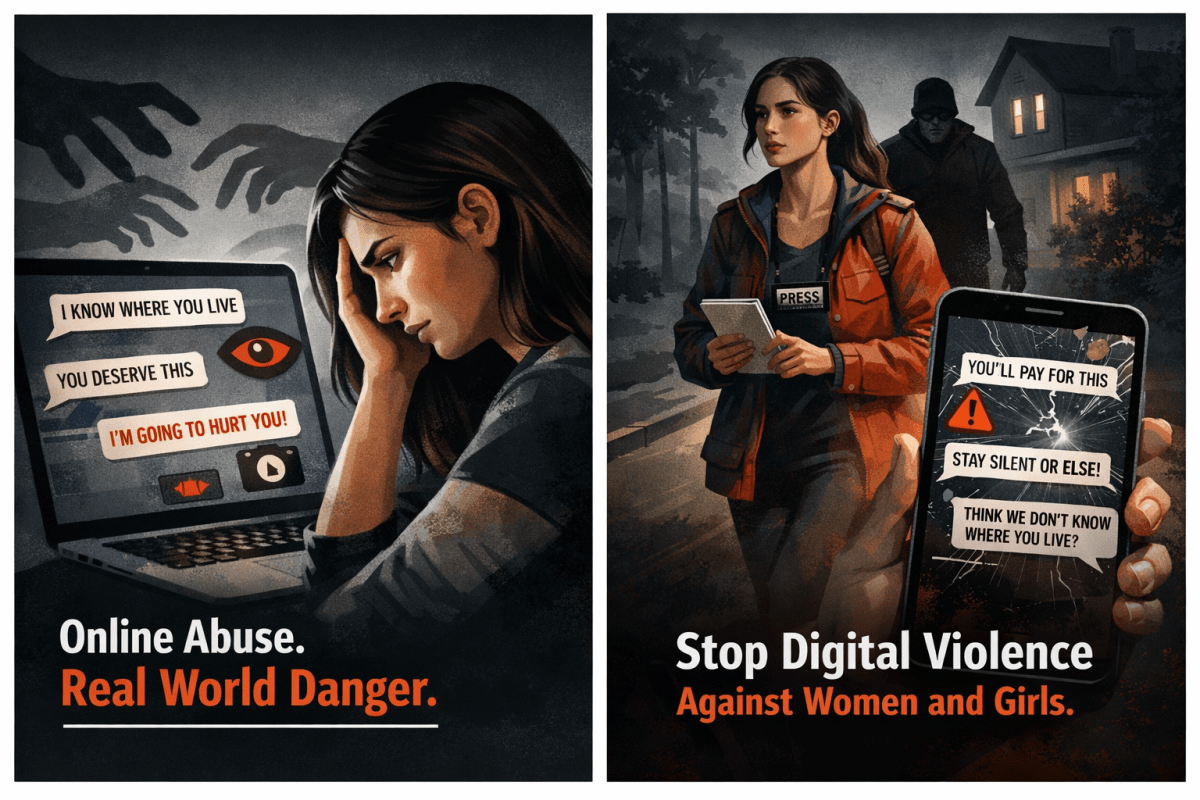
Digital violence against women and girls is escalating, with growing evidence linking online abuse, cyberstalking, and image-based abuse to real-world harm. As technology evolves faster than prevention and justice systems, survivors are left exposed to risk and inadequate protection. This blog explores the evidence behind technology-facilitated gender-based violence and outlines what must change to ensure…

5 Ways To Help A Person Going Through Gender-Based Violence
Gender-based violence isn’t just a personal issue. It’s a global crisis.
According to UN Women, nearly 1 in 3 women worldwide (about 736 million) have experienced physical or sexual violence in their lifetime. And those are just the cases we know about. Many more suffer in silence due to fear, stigma, or lack of support.
…
Using Technology to Combat Conflict-Related Sexual Violence
Conflict-related sexual violence is one of the most horrific human rights violations, affecting women, men, girls, and boys in conflict zones at alarming rates.
Over the past decade, the UN has verified more than 51,000 cases, with a staggering 50% increase in 2023 alone. Women and girls account for 95% of victims, and nearly a…

Addressing Gender-Based Violence in Humanitarian Crises
When humanitarian crises erupt, whether due to conflict, natural disasters, or economic collapse, gender-based violence (GBV) often emerges as a hidden yet pervasive crisis in its own right. The breakdown of societal structures, the chaos of mass displacement, and the erosion of community cohesion create an environment where women and girls are disproportionately affected. Amid…
Something went wrong. Please refresh the page and/or try again.
 Safe Speaks