

The impact of gender-based violence can be devastating during humanitarian crises, yet the complex and sensitive nature of this issue often leads to it being overlooked. To create a meaningful change in the lives of survivors, efforts must go beyond traditional responses towards initiatives that are innovative and grounded in survivor needs and rights.
Gender-based violence (GBV) is a pervasive issue worldwide, but it becomes especially acute in the aftermath of humanitarian crises, such as natural disasters or conflicts. These events disrupt normal societal structures and increase vulnerabilities for affected populations. Consequently, GBV survivors face numerous challenges to their physical, mental, and social well-being. In this article, we explore seven innovative approaches to supporting GBV survivors in the aftermath of humanitarian crises.
1. Mobile Clinics for Survivors
One innovative approach is using mobile clinics to offer confidential and quality medical services to survivors of GBV. This approach is especially effective in contexts where there is limited access to healthcare facilities due to the destruction of infrastructure or displacement. These clinics are staffed by trained medical professionals and provide services such as counseling, testing, and treatment for sexually transmitted infections.
2. Gender-Awareness Training for Humanitarian Workers
This involves training humanitarians to recognize the specific needs and challenges faced by GBV survivors and to respond in a sensitive and supportive manner. Gender-awareness training has been effective in increasing the responsiveness of humanitarian workers and improving the provision of services to GBV survivors. This approach also helps to reduce stigma and victim-blaming related to GBV.

3. Cash Assistance
Cash assistance programs provide financial support to GBV survivors, which can help them overcome economic challenges and aid their recovery. These programs have been shown to be an effective approach in providing survivors with the resources to meet their basic needs, such as shelter, food, and medical care.
4. Community-Based Interventions
Community-based interventions can help to raise awareness and increase understanding of GBV in affected communities. These interventions involve engaging community members, especially men and boys, in activities aimed at shifting social norms and reducing gender-based violence. Community-based interventions have been shown to be effective in preventing GBV and increasing cultural competency around issues of sexual and gender-based violence.
5. Mobile Apps for GBV Reporting
Mobile Apps provide survivors with secure and confidential platforms to report their experiences and seek support. These apps connect survivors with service providers and can offer features like real-time updates on the progress of their cases. Mobile apps have increased access to GBV-related services for survivors, who may otherwise face significant barriers to finding help.
6. Legal Empowerment for Survivors
Legal empowerment programs help GBV survivors understand their legal rights and provide them with the resources to access justice and support. These programs involve providing information about legal options, access to legal services, representation and advocacy, and capacity-building for survivors and service providers. Legal empowerment programs can help to reduce barriers to justice and support for GBV survivors.
7. Incorporating GBV in Disaster Risk Reduction (DRR) Strategies
Incorporating GBV considerations in disaster risk reduction (DRR) strategies can help to reduce the risks and impact of GBV in the aftermath of humanitarian crises. This approach involves mapping GBV risks in disaster-prone areas, integrating GBV considerations into early-warning systems, and providing training and support to DRR practitioners on GBV-related issues. Incorporating GBV into DRR strategies can help to reduce the prevalence of GBV during and after disasters.
Humanitarian crises can have a devastating impact on survivors of GBV. However, by harnessing the power of mobile technology, gender-awareness training, and cash assistance programs we can empower local actors to provide better support for survivors. Awareness and understanding of GBV issues in humanitarian contexts should be improved to ensure that the risk of GBV is minimized. To achieve this goal, DRR strategies must be informed by evidence-based research on GBV threats and needs. Ultimately, it is our collective responsibility to ensure survivors are protected from further harm and marginalization in times of crisis. It is time for various stakeholders to work together to create long-term, sustainable solutions that will guarantee the safety and well-being of all survivors of humanitarian crises now and into the future.
Author
Edith Mecha
Edith is a communications specialist and speaker with a heart for humanitarian issues, gender, women and children, and technology. She loves adventure and advocating for important causes.
Sign up to receive our blogs and newsletters
A Curated Collection of Books, Guides and Strategies.
Books and guides on gender-based violence, physical abuse, emotional abuse, sexual abuse, healing, mental health, and more.
LATEST POSTS
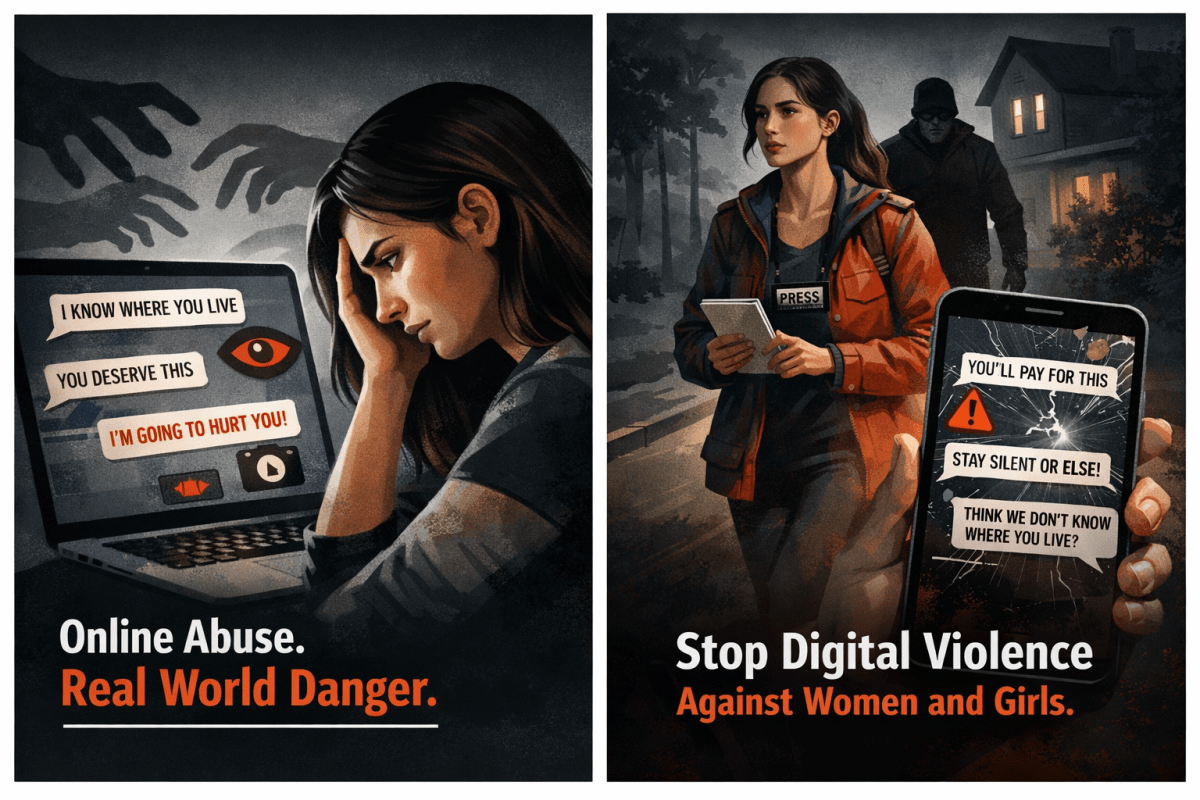
Digital Violence Is Real Violence. Why Prevention and Justice Must Catch Up
Digital violence against women and girls is escalating, with growing evidence linking online abuse, cyberstalking, and image-based abuse to real-world harm. As technology evolves faster than prevention and justice systems, survivors are left exposed to risk and inadequate protection. This blog explores the evidence behind technology-facilitated gender-based violence and outlines what must change to ensure…

5 Ways To Help A Person Going Through Gender-Based Violence
Gender-based violence isn’t just a personal issue. It’s a global crisis.
According to UN Women, nearly 1 in 3 women worldwide (about 736 million) have experienced physical or sexual violence in their lifetime. And those are just the cases we know about. Many more suffer in silence due to fear, stigma, or lack of support.
…
Using Technology to Combat Conflict-Related Sexual Violence
Conflict-related sexual violence is one of the most horrific human rights violations, affecting women, men, girls, and boys in conflict zones at alarming rates.
Over the past decade, the UN has verified more than 51,000 cases, with a staggering 50% increase in 2023 alone. Women and girls account for 95% of victims, and nearly a…
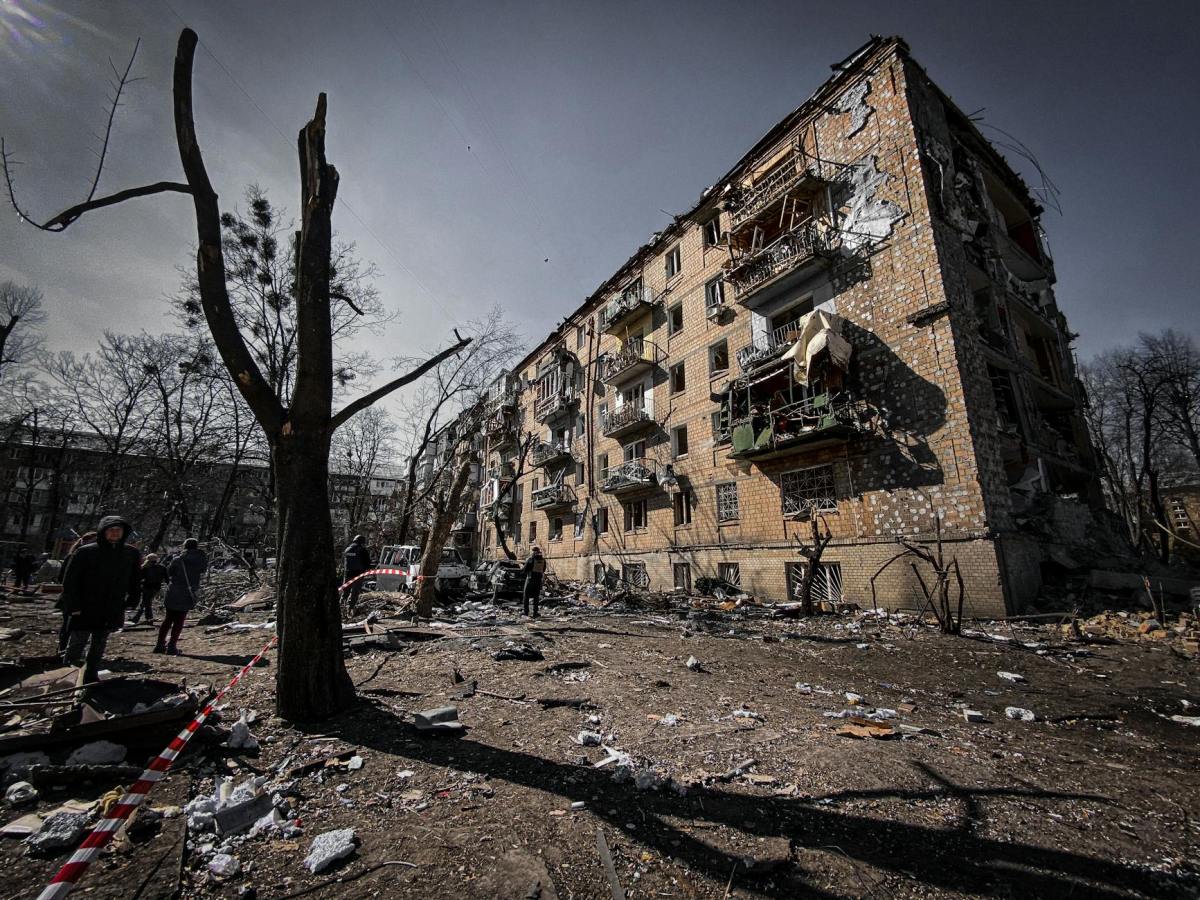
Addressing Gender-Based Violence in Humanitarian Crises
When humanitarian crises erupt, whether due to conflict, natural disasters, or economic collapse, gender-based violence (GBV) often emerges as a hidden yet pervasive crisis in its own right. The breakdown of societal structures, the chaos of mass displacement, and the erosion of community cohesion create an environment where women and girls are disproportionately affected. Amid…
Something went wrong. Please refresh the page and/or try again.
 Safe Speaks