

Gender-based violence (GBV) is an issue that demands immediate attention and action
Gender-based violence (GBV) remains a deeply rooted issue affecting people of all ages and gender identities. Its impact is far-reaching leading to mental health challenges, physical harm, disrupted employment, and financial instability. The consequences are not only personal but also societal, and they are painfully real.
The scale of the problem is staggering. An estimated 736 million women almost one in three have been subjected to physical and/or sexual intimate partner violence, non-partner sexual violence, or both at least once in their lives. This figure doesn’t account for the countless others who may be unable to report or speak out due to fear, stigma, or lack of support.
While there has been progress in recent years to address these violations of human rights and dignity, GBV continues to persist in communities around the world. That’s why it’s more important than ever that we speak out, take action, and support efforts to prevent and respond to all forms of gender-based violence.
There are many ways each of us can contribute to the fight against GBV. Whether big or small, every effort matters. If you’re ready to get involved but aren’t sure where to start, here are five ideas to help you take meaningful action.
5 Ways to Support a Friend or Family Member experiencing GBV.

1. Listen and Believe: The most important first step is to listen without judgment. Let the person share their story at their own pace, without interruption. This kind of deep listening creates space for survivors to feel heard and validated—something that many may never have experienced before.
It’s essential to believe them, even if what they share seems difficult to process. Survivors often face disbelief or minimization, which can further isolate them. Research shows that supportive responses can reduce trauma and help survivors begin to heal. RAINN offers helpful guidance on how to respond with compassion.
2. Provide Emotional Support: Once you’ve listened, offering emotional support is crucial. This doesn’t require having all the answers. Simple acts of kindness—like saying “I’m here for you” or “You don’t have to go through this alone”—can have a powerful impact.
If appropriate and welcomed, small gestures like offering a hug or just sitting in silence can bring comfort. Reassure them that what happened is not their fault, and remind them of their strength and resilience. The National Domestic Violence Hotline provides tips on how to offer emotional support effectively.
3. Offer Practical Assistance: Trauma from GBV can make everyday tasks feel overwhelming. Offering to help with small but meaningful responsibilities—like grocery shopping, childcare, transportation, or errands—can ease the burden.
If legal or financial matters are involved, offer to help locate resources. Assist in filling out paperwork. Connect them with a qualified advocate or attorney. Many organizations like Kituo Cha Sheria and WomensLaw.org offer legal information specific to survivors of domestic and sexual violence.
4. Help create a Safety Plan: Safety planning can empower survivors by helping them prepare for potential risks. Work together to create a plan tailored to their needs. This may include identifying safe contacts, changing locks, adjusting routines, or setting up emergency communication systems.
Technology can also play a role with apps like myPlan helping survivors assess their situation and make safer choices. Always ensure that any safety plan is survivor-led and respects their privacy and autonomy.
5. Connect them with Professional Services: While your support is invaluable, professional services provide specialized care that’s essential for long-term healing. Encourage them to reach out to licensed therapists, support groups, or crisis centers that can offer trauma-informed counseling. Help connect them to local organizations or national hotlines.
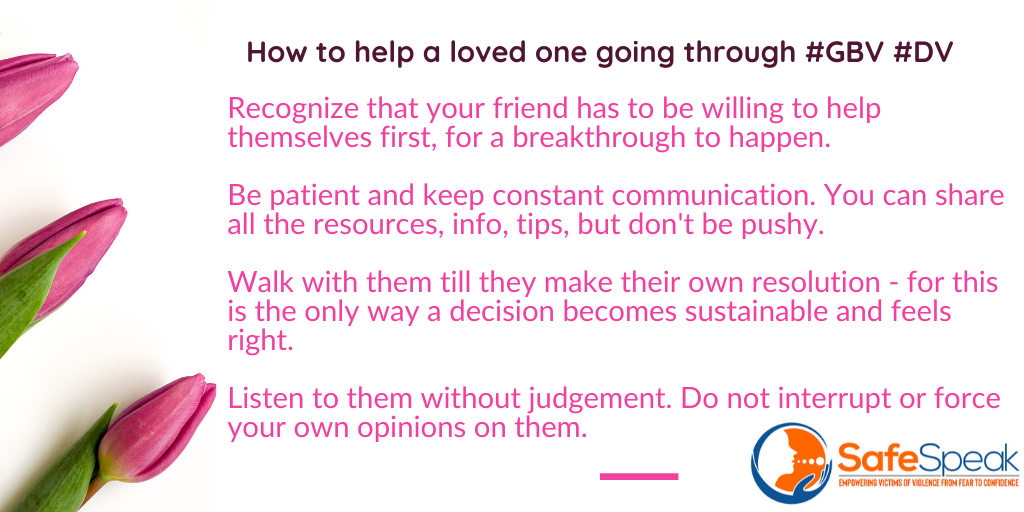
Supporting someone experiencing GBV isn’t about fixing their situation. It’s about walking alongside them, offering compassion, and helping them reclaim their power. Every conversation, every act of kindness, and every informed resource shared helps create a world where survivors are heard, believed, and supported.
Remember though, for any progress to occur, a survivor needs courage. They must find this courage within themselves to make changes in their life.
What Not to Do When Supporting a Survivor of Gender-Based Violence
There’s no perfect way to support someone experiencing gender-based violence (GBV), but it’s important to be mindful of how your actions and words might impact their safety and emotional well-being. Even well-intentioned efforts can sometimes make a difficult situation worse.
Here are some key “don’ts” to keep in mind:
Don’t…
- Pressure the survivor to take action based on what you think is best. Let them lead the decision-making process.
- Blame the survivor, question their choices, or imply responsibility for the abuse.
- Bash the abuser. Focus on the behavior rather than attacking the person, especially if the survivor still has emotional or physical ties to them.
- Underestimate the potential danger—for both the survivor and yourself. GBV situations can escalate quickly.
- Promise help or support you’re not certain you can follow through on.
- Offer support that’s conditional or judgmental.
- Do anything that might provoke the abuser or escalate the situation.
- Give up. If the survivor isn’t ready to open up, be patient and let them know you’re there whenever they’re ready.
- Create additional barriers for the survivor, especially those that limit their access to resources or control over their decisions.
In cases of immediate danger or active violence, calling the police or protective services may be necessary to ensure the safety of everyone involved. You can access helplines and other resources here.
While GBV remains a serious global issue, communities can make a difference. By listening without judgment, providing emotional and practical support, helping with safety planning, and connecting survivors to professional services, we can reduce the impact of violence and empower those affected.
If you know someone who may be experiencing gender-based violence, share with them the contact information for a national hotline or support organization in their country. One small act of care can be the start of a safer future.
 Safe Speaks
Advocating for a legal ban on child corporal punishment might be essential for all efforts to fight gender based violence. That is the interesting theory of Austrian peace researcher Franz Jedlicka. He explained it recently in his podcast (available also on Youtube): Misogyny often starts with adverse childhood experiences …
LikeLike