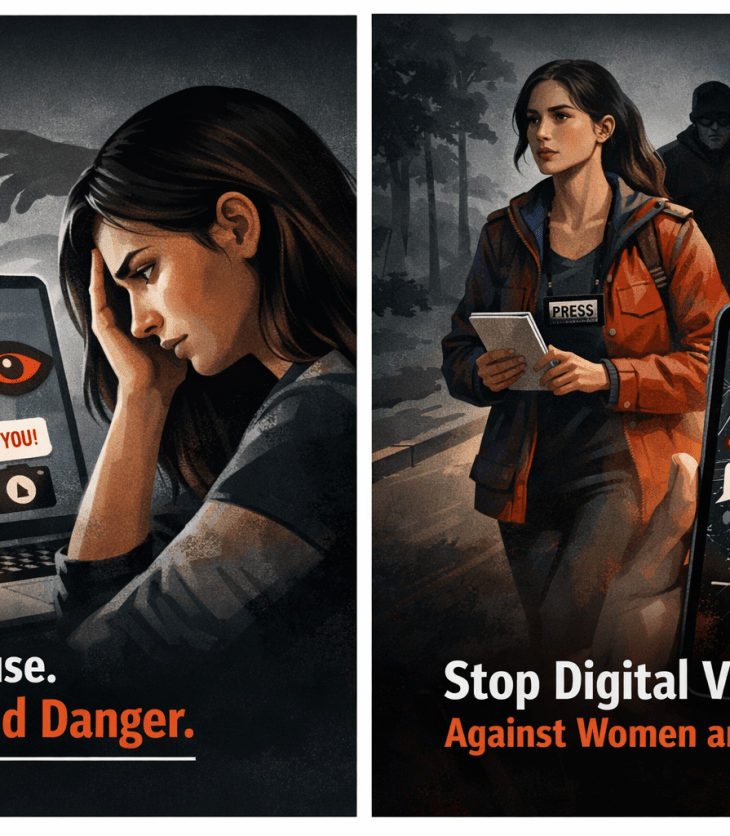
5 Ways To Help A Person Going Through Gender-Based Violence

5 Ways To Help A Person Going Through Gender-Based Violence

Gender-based violence isn’t just a personal issue. It’s a global crisis.

According to UN Women, nearly 1 in 3 women worldwide (about 736 million) have experienced physical or sexual violence in their lifetime. And those are just the cases we know about. Many more suffer in silence due to fear, stigma, or lack of support.

Whether it’s a friend, family member, coworker, or neighbor, someone in your life may be silently living through the trauma of abuse right now. Knowing how to respond with compassion, care, and clarity can make all the difference.

In our latest blog, we share 5 meaningful ways to support someone facing gender-based violence. You’ll also learn what not to do, and why small, thoughtful actions can empower survivors on their path to healing. If you’ve ever wanted to help but weren’t sure how, this is where to start.

👉Click below to read the Full Blog.
Using Technology to Combat Conflict-Related Sexual Violence

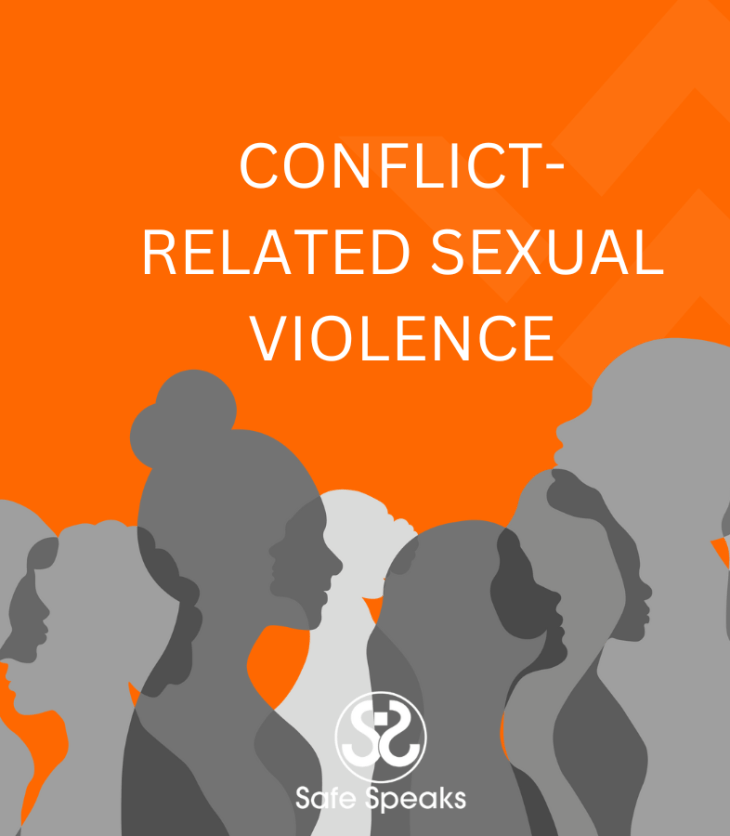
Using Technology to Combat Conflict-Related Sexual Violence

Conflict-related sexual violence is one of the most horrific human rights violations, affecting women, men, girls, and boys in conflict zones at alarming rates.

Over the past decade, the UN has verified more than 51,000 cases, with a staggering 50% increase in 2023 alone. Women and girls account for 95% of victims, and nearly a third of cases involve children. Recent surges in places like Sudan, Haiti, Myanmar, and the Democratic Republic of the Congo reveal the growing scale of this crisis. Tragically, these numbers only scratch the surface, as many cases go unreported, leaving survivors without justice or support. Beyond the physical and emotional toll, survivors are left vulnerable to further harm, making it critical to address this issue and restore their dignity.

Technology is becoming a powerful ally in this fight, offering innovative solutions to educate, support, and prevent sexual violence in conflict zones. Tools like social media, big data, and virtual reality are helping tackle one of the most urgent human rights challenges of our time. While there’s still much to do, technology is opening new doors for action and hope.

Violence Against Women is a Men’s Issue

Violence against women is at epidemic levels. Most men are not violent, and most treat the women in their lives with respect and care. Yet most have done little to challenge the violence perpetrated by a minority of men. Men have a crucial role to play in joining with women to end this violence and helping to build a culture based on non-violence and gender equality.

Most men know that domestic violence and sexual assault are wrong, but we have done little to reduce this violence in our lives, families and communities. Too many men believe common myths about violence, have ignored women’s fears and concerns about their safety, and have stayed silent in the face of other men’s violence-supportive attitudes and behaviours. At the same time, a growing number of men are taking public action to help end violence against women.

Gender Equality

12 Ways to Promote Gender Equality: Preventing Violence against Women

Gender equality is not only a matter of fairness and justice but also a crucial element in addressing deeply rooted issues such as violence against women. By empowering both men and women equally, not just in theory but also in practice, we can effectively shift the power dynamics that perpetuate and support violence against women. It is essential to recognize that achieving gender equality requires comprehensive efforts, including changes to legislation, societal norms, and individual behaviors. Only through a concerted and sustained focus on this issue can we hope to bring about lasting change and create a world where every individual, regardless of gender, can live free from the threat of violence.

The Power of Innovation in Preventing Violence Against Women

The Power of Innovation in Preventing Violence Against Women

Violence against women is a devastating global crisis that demands immediate attention. According to the World Health Organization, one in three women worldwide experiences physical or sexual violence during their lifetime, and the rates are even higher in low-income countries.

The impact of gender-based violence is particularly severe during humanitarian crises such as conflicts, displacement, and natural disasters. During these crises, women and girls are at a higher risk of becoming victims of sexual and gender-based violence, including rape, forced marriage, and human trafficking.

Traditional approaches to combat violence against women have historically focused on punitive measures and criminal justice solutions. However, these approaches have been insufficient in preventing violence and addressing its root causes. Many women face cultural, economic, and social barriers that impede their ability to report incidents of violence or seek help. Moreover, these responses do not adequately address the societal norms and power dynamic that perpetuate violence against women.

Innovation has presented a unique opportunity to tackle the issue of violence against women.

The Power of Innovation in Preventing Violence Against Women

7 Innovative Approaches to Support Gender-based Violence Survivors in the Aftermath of Humanitarian Crises

The impact of gender-based violence can be devastating during humanitarian crises, yet the complex and sensitive nature of this issue often leads to it being overlooked. To create a meaningful change in the lives of survivors, efforts must go beyond traditional responses towards initiatives that are innovative and grounded in survivor needs and rights.

This article looks at seven such approaches for informing the landscape on how to better support gender-based violence survivors impacted by war, environmental disasters or other mass crises.

Read the full post.

Technology-facilitated Gender-based Violence

Solutions to Combat Technology-Facilitated Gender-Based Violence

Technology has undoubtedly transformed the way we communicate and interact with one another. But, it has also given rise to a new and alarming problem – gender-based violence facilitated by technology. This is a growing concern that requires immediate attention.

Perpetrators have found new and sophisticated ways to exploit their victims through digital platforms such as email, social media, and messaging services. This type of violence, also known as Technology-facilitated Gender-based Violence (TFGV), is affecting women and girls at an alarming rate. Unfortunately, underserved communities are at a higher disadvantage when it comes to safer use of technology.

The United Nations has conducted research showing that approximately 73% of women have experienced some form of cyber violence. This is a staggering statistic that should not be ignored.

However, we cannot let the advancement of technology hinder the progress that has been made in addressing gender-based violence. It’s time to take action. We need to take measures to help solve this problem.

Read the full post.

Digital Age

The Digital Age and its Impact on Child Rights and Online Violence

As technology continues to evolve and take center stage in our daily lives, more and more young people are taking to the internet as a means of connecting with others, gaining information and entertainment, and expressing themselves. Unfortunately, with this newfound avenue for communication comes a new challenge involving child rights and online violence. The virtual world has unfortunately become a haven for bullying, exploitation, and even cyber crimes. There is need to recognize the significant impact of the digital age on child rights and online violence and take appropriate measures to prevent online violence and promote child safety.

Colorful growing arrows png sticker

Using Data to Expose Gender-Based Violence in Different Communities

Gender-based violence (GBV) is a global issue that robs people of their basic right to safety and security. While GBV can affect anyone, it disproportionately affects women and girls. In many communities worldwide, GBV is a pervasive social problem, driven by cultural norms and patriarchal attitudes. To tackle GBV effectively, it is essential to understand its nature and extent in different communities. Data-driven approaches play a critical role in exposing GBV, identifying patterns, and developing evidence-based policies and interventions. This blog explores how data can help expose GBV in different communities, leading to better policy and intervention outcomes.

Mental Health Awareness For Survivors of Gender-Based Violence

Mental health awareness is essential for ensuring that survivors of Gender-Based Violence (GBV) receive the care they need to heal and move forward with their lives. Governments and NGOs can help by providing safe spaces, specialized services, and training staff who will be working with GBV survivors. Through a holistic approach to care, we can create a better future for survivors.

5 Ways To Help A Person Going Through Gender-Based Violence

Gender-based violence (GBV) affects millions of people across the globe in a multitude of ways. While progress has been made to reduce it, many are still suffering and need our help. Whether you have someone close who is struggling with GBV or wish to get involved on an advocacy level – there’s plenty we can do as individuals to support those affected by this horrible crime. We must first remember that for real breakthroughs occur, survivors must be willing and able to empower themselves too. Check out five powerful ideas that could make a difference when fighting gender-based violence.

Eliminating Gender-Based Violence – Education Just One Solution

Eliminating Gender-Based Violence – Education Just One Solution

Gender-based violence is a major global issue that affects countless individuals and communities every day. From intimate partner violence to child marriage, extreme forms of oppressive behavior can have devastating physical, mental, and emotional consequences for those impacted by it. While eliminating gender-based violence in its entirety requires addressing a broad spectrum of factors like cultural norms and unequal power dynamics in relationships, education plays an integral role as well. In this post, we’ll explore the multiple ways that education can help create safer environments free from any kind of gender-based oppression or abuse.

Gender-based Violence and People with Disability

Gender-based Violence against People with Disability: An Overlooked Issue

Gender-based violence (GBV) is a global phenomenon that affects millions of individuals – including those with disability – regardless of socioeconomic background, race, and age.

Unfortunately, people with disability are especially vulnerable to the devastating effects of gender-based violence. There is a growing recognition by international organizations, governments, civil society, and other stakeholders that GBV within this population must be acknowledged and addressed. To better equip actors working on the topic from different angles and areas, it is essential to understand the unique challenges faced by people with disability when experiencing GBV as well as potential solutions available for responding to this issue at all levels. In this blog, we will take an in-depth look at how gender-based violence impacts people with disability and what options are available for effective prevention strategies.

Men: It’s time to take a Stand against Violence against Women

We are in the midst of an ongoing crisis. Violence against women is one of the most pervasive and deadliest human rights violations that affect millions around the world every year. Yet, despite its prevalence and devastating impact, violence against women remains largely unreported, undiscussed, and unaddressed – often due to a lack of awareness or taboos around discussing such a complex issue. But taking a stand on this issue is essential if we ever want to make real progress. That’s why it’s time for men around the world, from diverse backgrounds, cultural contexts and belief systems – to take a stand together against any form of gender-based violence and be part of the solution.

You can start by taking ownership of your own actions and joining forces with others in the fight for creating safe homes and public lives free from oppression. Whether it’s signing up for anti-violence campaigns or lending your support to survivors – every action counts towards making this change happen.

Domestic Violence the Morning After: No Matter How Strong I am, the Trauma Will Always Be a Part of Me

“Some of my delay in sharing stemmed from my culture. As an Indian American woman, I grew up understanding that a portion of my existence was based on “fitting in.” Speaking up and sharing my story or the significant amount of domestic violence in our community was not and still is not considered socially acceptable. It’s not openly discussed.”

Blaming The Victim

RECENT debates linking how women dress to the issue of rape have only reinforced the need for a more scientific conversation around violence against women in our society.

Blaming the victim in cases of sexual violence may be a global phenomenon. But it is particularly endemic in patrilinear cultures where restrictive beliefs about women’s roles and rights in society dominate.

View post to subscribe to site newsletter.

Financial abuse

Financial Abuse Occurs in 99% Of Domestic Violence Cases!

In most times when we talk about domestic violence, we tend to focus on physical, sexual, and emotional abuse. But what about financial abuse? Rarely does it come up because people don’t understand how big an issue it is. Sadly, this abuse or control of one’s access to family finances and assets is prevalent and occurs in up to 99 percent of domestic violence cases.

So, why are we not talking about it?

View post to subscribe to site newsletter.

5 Ways To Help A Person Going Through Domestic Violence

If you know or suspect that a loved one is going through domestic violence, you might feel clueless about the best way to help. Simple actions such as reaching out and letting them know that you are there for them can provide tremendous relief and save a life. Here are simple actions you can take to provide support and save someone’s life in the process.

View post to subscribe to site newsletter.

Gender Equality

12 Ways to Promote Gender Equality: Preventing Violence against Women

Gender equality is a major issue in many societies. One way of promoting this will be to prevent violence against women through education, awareness, and activism campaigns. Violence has a significant impact on not only individual victims but their families and friends as well. The first thing we need to do is change how society views gender inequality. As we prepare for the Generation Equality Forum tomorrow in Paris here are ways we can support gender equality in our community.

View post to subscribe to site newsletter.

Let’s talk about sexual violence…

Sexual violence is a serious issue. It affects everyone in society and has no boundaries. The effects can be devastating, often involving life-changing consequences such as unwanted pregnancies, mental and physical problems, sexually transmitted infections, and sleep and eating disorders. It’s important to know the facts about sexual violence so we can work together to prevent it.

Blaming The Victim

RECENT debates linking how women dress to the issue of rape have only reinforced the need for a more scientific conversation around violence against women in our society.

Blaming the victim in cases of sexual violence may be a global phenomenon. But it is particularly endemic in patrilinear cultures where restrictive beliefs about women’s roles and rights in society dominate.

Financial abuse

What You Should Know About Financial Abuse!

In most times when we talk about domestic violence, we tend to focus on physical, sexual and emotional abuse. Rarely does financial abuse come to mind. But why? Because financial abuse is less commonly understood or spoken about form of abuse. Sadly, this abuse or control of one’s access to family finances and assets is prevalent and occurs in up to 99 percent of domestic violence cases.

So, why are we not talking about it?

Are You Being Emotionally Abused?

Many people are being emotionally abused without realizing it. Many wonder whether they are being abused but are confused as to what exactly emotional abuse is. As a way to help clear up any confusion you may have as to whether you are being emotionally abused, I present the most common tactics used by abusive people. The typical emotional abuser has an entire repertoire of tools he or she can use to manipulate and control their partner. While not every abuser uses these tactics in a deliberate, conscious way, many do.

Emotional Abuse

Are You Being Emotionally Abused? Part 1

Many people are being emotionally abused without realizing it. Many wonder whether they are being abused but are confused as to what exactly emotional abuse is. As a way to help clear up any confusion you may have as to whether you are being emotionally abused, I present the most common tactics used by abusive people. The typical emotional abuser has an entire repertoire of tools he or she can use to manipulate and control their partner. While not every abuser uses these tactics in a deliberate, conscious way, many do.

Why Is It Difficult To Leave An Abusive Relationship?

“Why don’t they leave?” is often the first response posed to survivors, implying that they are to blame for the abuse.

When one has no knowledge or has never experienced abuse, it can be difficult to understand the deep emotional grip abusers have on their victims. That is why to simply leave is not as easy as going to the shops. A lot of safety planning, talking to trusted friends and being ready for a healthy life has to go in to creating an escape route.

Financial Abuse

What You Should Know About Financial Abuse

In most times when we talk about domestic violence, we tend to focus on physical, sexual and emotional abuse. Rarely does financial abuse come to mind. But why? Because financial abuse is less commonly understood or spoken about form of abuse. Sadly, this abuse or control of one’s access to family finances and assets is prevalent and occurs in up to 99 percent of domestic violence cases.

So, why are we not talking about it?

Preventing, Responding And Eliminating Violence Against Women

Violence against women is deeply rooted in gender-based discrimination, social norms that accept violence, and gender stereotypes that continue cycles of violence. Many efforts to address this vice have mostly concentrated on response efforts and paid less attention to primary prevention which is the key to eliminating violence against women and girls completely.

destroyed residential building under gray sky

Addressing Gender-Based Violence in Humanitarian Crises

When humanitarian crises erupt, whether due to conflict, natural disasters, or economic collapse, gender-based violence (GBV) often emerges as a hidden yet pervasive crisis in its own right. The breakdown of societal structures, the chaos of mass displacement, and the erosion of community cohesion create an environment where women and girls are disproportionately affected. Amid these upheavals, countless stories of unimaginable violence against them remain unheard, silenced by fear, stigma, and insecurity. The vulnerability of women and girls is magnified in such settings, with many facing heightened risks of physical, sexual, and psychological harm.

Addressing GBV during emergencies requires urgent, coordinated action. International organisations, local communities, and governments must work together to develop strategies that protect the rights of survivors and prevent future violence. Comprehensive support systems, including safe shelters, healthcare services, and trauma counselling, are vital to meet the immediate needs of survivors. Simultaneously, awareness campaigns can challenge harmful norms and empower women and girls to seek help. Strengthening legal frameworks and ensuring their enforcement is equally important to hold perpetrators accountable and build a culture of zero tolerance for GBV.

This article explores five strategies to address GBV during crises, shedding light on how we can amplify the voices of survivors, safeguard their rights, and foster resilience in the face of adversity.