

Gender-Based Violence (GBV) affects millions of people around the world. Survivors often suffer from long-term physical, mental, and emotional trauma. While there is increasing awareness about this issue, it’s essential that we also focus on the mental health needs of survivors.
Gender-based violence is a complex and pervasive issue impacting millions of people around the world. According to the United Nations, one in three women experience some form of physical or sexual violence in their lifetime. Despite increased recognition of this crisis, an often-overlooked consequence is the damage to mental health that survivors suffer. In many cases, survivors are unable to get access to counseling services or other interventions needed for healing due to limited resources or cultural stigma related to psychological healthcare. It is imperative that organizations and governments bring awareness to the need for improved mental health treatment strategies when it comes to identifying and helping those who have experienced gender-based violence.
1. The Link between Gender-based Violence and Mental Health
Survivors of gender-based violence often experience feelings of fear, shame, self-blame, and a loss of control resulting in PTSD, depression, or anxiety. Low self-esteem and self-worth inhibit mental well-being and often intimate relationships in survivors. It is important to address the underlying emotional issues and offer support to survivors for effective healing.

2. Mental Health Awareness and Trauma-Informed Care
Creating mental health awareness is essential for survivors of gender-based violence as it helps them better understand and manage their mental health struggles. Educating survivors on trauma-informed care is an essential aspect of mental health awareness. Trauma-informed care seeks to understand that trauma is a pervasive presence in survivors’ lives, and it affects all aspects of their experience. Survivors need to be treated with respect, empathy, and given choices throughout the healing process.
3. Community-Based Mental Health Intervention
Mental health care services need to be available, affordable, and accessible to survivors of gender-based violence. Community-based mental health interventions have shown promising results in helping survivors manage their mental health disorders. Survivors need professional support to heal, which includes providing them access to counseling services, group therapy intervention, and other supportive services. Mental health interventions need to encompass equitable care to all survivors, regardless of gender, ethnicity, or sexual orientation.
4. The Importance of Addressing Mental Health Concerns in a Timely Manner
Mental health stigma often results in a delay in seeking treatment, with the survivor coping alone without therapeutic care. This can lead to worsening mental health, addiction to substances, and self-harm. Survivors need to be encouraged to speak up, normalizing of mental health needs and the creation of safe spaces for them to seek help is crucial as this often results in effective treatment seeking.
5. The need for Mental Health Training on Effective Service Provision
Health workers and law enforcement agencies need to be trained in effective communication and management of mental health in gender-based violence survivors. They should be equipped to provide care to the survivors and link them to proper mental health support services, creating effective referral networks.
6. The Role of Governments and NGOs in providing Mental Health Support
Governments and NGOs have a central responsibility in ensuring the provision of comprehensive mental health services to gender-based violence survivors. This includes the employment of mental health professionals or the provision of training to existing health workers and NGO staff as well as creating public awareness campaigns to reduce stigma or to create safe spaces for mental health care, and policy formulation and implementation for the protection of survivors against gender-based violence.
Gender-based violence is an overwhelming issue that requires support from all stakeholders. Comprehensive mental health services that are accessible and easily understood by survivors are a crucial element in supporting survivors of gender-based violence in achieving their full potential. Governments, NGOs, and healthcare providers should prioritize mental well-being by offering survivors timely mental health support and rehabilitation services. A world free of gender-based violence is possible and it starts with the provision of adequate mental health support services to survivors.
For more support check out resources here.
**If you are in an abusive relationship or someone you know is, call the following hotlines: Kenya -1195, UK – 999, 0808 2000 247, South Africa – 0800 428-428 and call-back service by dialing *120*7867#, Germany – 0800 22 55 530 / 0800 011 6016, and USA – 1−800−799−7233.
Author
Edith Mecha
Edith is a writer, social science researcher and speaker who cares about communication, humanitarian and gender equity. She loves adventure and comedy too! Edith believes that we can all be agents of positive change in our communities by making small but impactful changes every day.
Subscribe to receive our blogs and newsletters
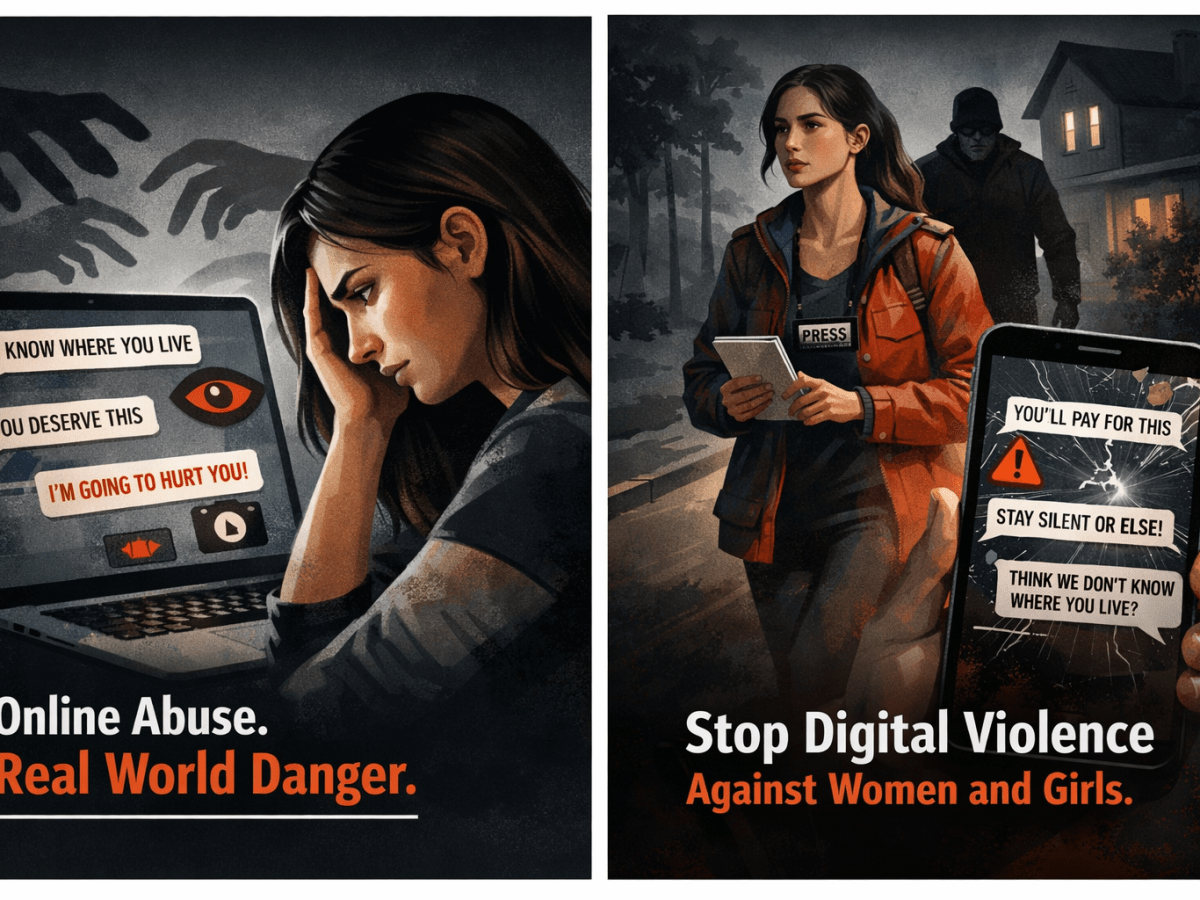
Digital Violence Is Real Violence. Why Prevention and Justice Must Catch Up
Digital violence against women and girls is escalating, with growing evidence linking online abuse, cyberstalking, and image-based abuse to real-world harm. As technology evolves faster than prevention and justice systems, survivors are left exposed to risk and inadequate protection. This blog explores the evidence behind technology-facilitated gender-based violence and outlines what must change to ensure…
5 Ways To Help A Person Going Through Gender-Based Violence
Gender-based violence isn’t just a personal issue. It’s a global crisis.
According to UN Women, nearly 1 in 3 women worldwide (about 736 million) have experienced physical or sexual violence in their lifetime. And those are just the cases we know about. Many more suffer in silence due to fear, stigma, or lack of support.
…
Using Technology to Combat Conflict-Related Sexual Violence
Conflict-related sexual violence is one of the most horrific human rights violations, affecting women, men, girls, and boys in conflict zones at alarming rates.
Over the past decade, the UN has verified more than 51,000 cases, with a staggering 50% increase in 2023 alone. Women and girls account for 95% of victims, and nearly a…
 Safe Speaks
True. Mental health to the abused enhances recovery and reduces traumatic relapse.
LikeLike